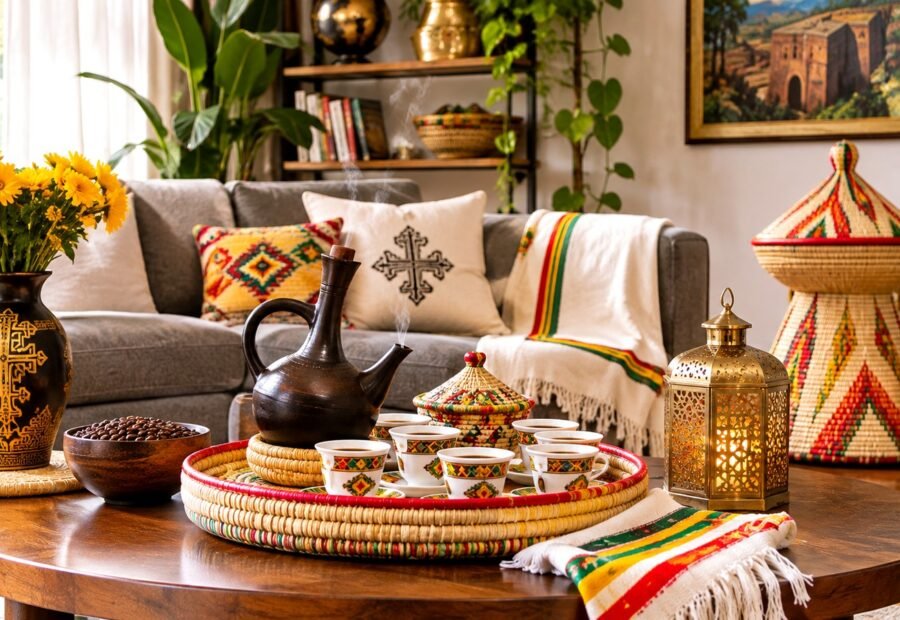


Restaurant furniture and decor shape how a space looks, feels and functions long before the first plate arrives. A comfortable chair, stable dining table and thoughtful lighting can make service smoother and help guests enjoy their time. But a well-designed dining space is not simply a collection of attractive products: the best choices balance durability, guest comfort, cleaning requirements, circulation, accessibility and budget.
This guide explains how to choose restaurant tables, chairs, booth seating, bar stools, lighting and decorative accents. It is useful for restaurant owners, café operators, hospitality teams and anyone creating a welcoming dining corner at home. Browse the related collections in the Habesha Shopping Center as you plan.
1. Begin with a floor plan, not a furniture catalogue
First, measure the usable area, doors, fixed counters, service stations and any space needed for staff movement. Sketch where customers will sit, how servers will reach each table and where guests will queue or wait. Check local access and fire-safety requirements instead of relying on a generic aisle-width number. If a room looks beautiful but makes movement awkward, the arrangement may be expensive to operate.
Book museums & attraction tickets
Find museum entry, landmarks and bookable attraction tickets for your trip.
Determine whether the venue needs quick-turnover tables, long leisurely meals, a flexible event setup or a mixture. A compact café may prefer smaller movable tables; a family restaurant might combine four-seat arrangements with a few large tables; a lounge may benefit from comfortable fixed seating. At home, the same approach helps you choose pieces that fit everyday life rather than filling every available corner.
2. Restaurant Tables & Dining Tables
Tables must suit the menu and the way people dine. Consider tabletop size, pedestal clearance, wobble resistance, edge shape and finishes that tolerate the cleaning products used at your venue. Many dining spaces benefit from combining small two-person tables, which can be pushed together, with a few larger fixed options.
- Solid wood: inviting character and repair potential, but it may need more maintenance and protection from spills.
- Laminate or compact surfaces: often practical for frequent wipe-downs; verify edge and moisture resistance.
- Metal or stone-look materials: can suit contemporary interiors, but consider weight, temperature and ease of moving them.
- Outdoor furniture: choose products explicitly rated for outdoor weather exposure rather than assuming indoor pieces will survive.
Check the base, not just the top. A striking tabletop on an unstable base creates an uncomfortable guest experience. For restaurants, request manufacturer information about commercial-duty suitability before ordering multiple units.
3. Restaurant Chairs & Seating
A chair should support guests comfortably while remaining manageable for staff. Compare seat height, back support, stability, fabric durability, cleaning access and the space it requires when pulled away from the table. Easy-clean upholstery or wipeable surfaces may be more suitable for busy dining rooms than delicate fabrics.
For high-volume venues, think beyond appearance. Can chairs be lifted without excessive strain? Are replacement glides available? Do legs scratch the floor? Do armrests prevent the chair from sliding under the table? In family dining settings, leave adequate room for prams and high chairs where appropriate. At home, comfort and proportions may matter more than commercial stacking specifications.
4. Booths & Banquette Seating
Booth seating helps create intimate dining zones and can give a narrow perimeter more efficient use. Banquettes also introduce consistent visual lines and a more settled atmosphere. They are less flexible than freestanding chairs, though, so confirm seat depth, table placement, accessibility and cleaning arrangements before installation.
Consider removable or serviceable upholstery panels and access for cleaning below the seating. Built-in banquettes may require professional measurement and installation. If you are planning a rented commercial space, confirm whether permanent fixtures need landlord approval.
5. Bar Stools & Counter Seating
Counter seating can make use of a window, breakfast bar or service counter. The key is matching the stool to the counter height and allowing comfortable legroom. Measure the finished counter and check the manufacturer’s actual seat-height specification: a product described as a “bar stool” is not automatically right for every counter.
For a restaurant, look for stable footrests, easy cleaning and an appropriate load rating. Backrests can improve comfort for longer visits, while backless models are easier to tuck away. In homes and compact cafés, a small number of well-chosen stools may offer more value than maximizing the seat count.
6. Restaurant Lighting & Ambience
Lighting is both a design tool and a practical requirement. Guests need to see menus and food, staff need clear routes, and cleaning teams need enough light to work effectively. A layered approach usually works better than one bright ceiling fixture: use general lighting, focused task lighting and softer decorative accents for atmosphere.
- Pendant lights: draw attention to tables or counters; install at heights that do not obstruct views or movement.
- Wall lights: can add warmth without consuming floor space.
- Dimmable fixtures: provide flexibility between daytime service, dinner and events, provided compatible controls are used.
- Low-glare lamps: help avoid uncomfortable light directly in guests’ eyes.
Check electrical certifications, fixture maintenance and installation rules. Hospitality operators should have hardwired fittings installed by qualified professionals where required. Decorative ambience should never compromise safe visibility of steps and exits.
7. Wall Decor & Decorative Accessories
Decor tells a story about a venue. Artwork, planters, mirrors, baskets, textiles and small table accents can create an identity without requiring a full renovation. Choose a consistent palette and repeat a few materials rather than filling every wall. For a Habesha-inspired setting, thoughtfully selected woven textures, handcrafted objects or culturally relevant artwork can add character when presented with respect for the makers and traditions.
Keep decorations in proportion to the room and away from high-contact service paths. Plants should not obstruct service or create hygiene problems. For artwork, consider secure mounting and how reflections from lighting might affect the guest experience. Decorative objects are easier to maintain when cleaning is considered at the selection stage.
8. Furnishing a restaurant versus furnishing a home
The same design style can work for both settings, but the specifications may differ. Restaurants need to account for repeated daily use, cleaning schedules, replacement parts and sometimes commercial certifications or fire-performance requirements. Homes often allow more delicate finishes and individual pieces, although practical maintenance is still important.
Before using furniture marketed as residential in a restaurant, verify the manufacturer’s suitability guidance. A lower upfront price is not always a saving if surfaces wear quickly or replacements cannot be sourced. Conversely, purchasing a bulky commercial unit for a small home dining room may offer no practical benefit.
9. Create a realistic furniture and decor budget
Start with the essentials that directly affect seating and safety: stable tables, appropriate chairs, task lighting and circulation. Then allocate funds to statement items, soft furnishings and decorative accessories. Price furniture as an installed system rather than as a collection of product tags.
Your budget should consider freight, assembly, anchoring or professional installation, taxes and returns, replacement parts, cleaning supplies and future reupholstery. For larger orders, request samples or inspect a representative piece before committing. Make sure dimensions are checked against entrances, stairwells and delivery access.
10. The practical buying checklist
- Measure the room and map guest and staff circulation.
- Define the desired seating capacity and service style.
- Choose materials suited to spills, cleaning and daily wear.
- Check dimensions, table stability, chair comfort and floor protection.
- Confirm residential versus commercial suitability and any local requirements.
- Check assembly, replacement parts, warranty and delivery terms.
- Use lighting for safe visibility as well as atmosphere.
- Reserve funds for installation, maintenance and future replacements.
11. Bringing your dining space together
The best restaurant interiors create a coherent experience rather than treating every purchase separately. A warm timber tabletop might pair with comfortable upholstered seating, understated pendant lighting and a few decorative objects that support the restaurant’s identity. A more industrial café could use metal-framed chairs, practical workhorse surfaces and simple wall art.
Choose furniture first, confirm circulation and comfort, then refine the lighting and decor. For related guest-facing items such as plates, glasses, serving pieces and linens, browse the Dining & Guest Experience collections within Habesha Shopping Center. If you are fitting out the wider business, the Restaurant Setup & Management guide covers additional operational essentials. Cooking equipment belongs in a separate workflow: explore Commercial Kitchen Equipment.
Frequently asked questions
What furniture should I buy first for a small restaurant?
Begin with a floor plan and the essentials: dining tables, stable chairs and practical lighting. Add booths, bar seating and decorative pieces after checking circulation and the needs of your guests.
Are restaurant chairs different from home dining chairs?
They can be. Commercial-use chairs may be built for frequent use, intensive cleaning and easier parts replacement. Always check a specific product’s published suitability rather than assuming from its appearance.
How can I improve ambience without replacing all the furniture?
Coordinate lighting, declutter sightlines, update table accessories and add a few carefully chosen wall or plant accents. Small consistent changes can produce a clearer design than an unrelated mix of decorations.
What should I look for when choosing a restaurant booth?
Confirm seat depth, comfort, upholstery cleaning, table clearance and accessibility. Measure carefully before buying or commissioning built-in seating.
Can I use the same decor ideas in my home?
Yes. A consistent palette, layered lighting, a comfortable seat and a practical dining table work at home as well. Select product specifications appropriate for the intended setting.
Explore Restaurant Furniture & Decor
Use this guide to make a shortlist, then compare specifications with the seller before buying. Visit Habesha Shopping Center for restaurant furniture, seating, lighting, wall decor and related shopping collections.
Affiliate disclosure: As an Amazon Associate, Habesha Studio earns from qualifying purchases. Some links on our shopping pages may be affiliate links. Product details, prices, stock and delivery conditions should always be checked with the retailer.