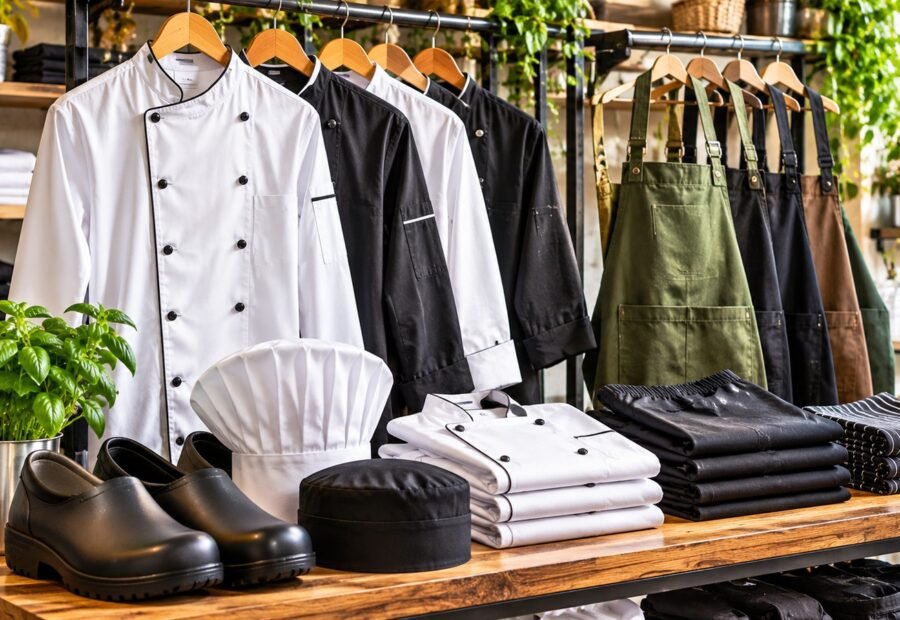


Dining & Guest Experience is about more than a beautifully arranged table. The items guests touch, use and notice—from plates and glassware to serving trays, napkins and accessible seating—shape how comfortable and welcome they feel. Choosing the right pieces is just as relevant when planning a small restaurant, furnishing a café or preparing a family dining room.
This guide explains how to shop for practical dining essentials, distinguish dinnerware from kitchen cookware, and make thoughtful decisions for both everyday home meals and hospitality businesses. It is a buying framework rather than a claim that we have independently tested specific products.
1. Start with the guest experience, not the product catalogue
Imagine the entire visit. Is the guest dining alone, sharing a large family meal, enjoying a quick café lunch or attending a celebration? Each situation needs a different balance of presentation, convenience and durability. A small bistro might prioritise stackable plates and easily replaceable glasses. A family may prefer versatile everyday tableware that can also look attractive on special occasions.
Get travel data with Airalo
Install an eSIM before arrival and get mobile data without swapping a physical SIM card.
Before buying, write down the number of diners, serving style, storage space, cleaning method and budget. Include the cost of replacing damaged items. These factors are more useful than buying a large matching collection based on appearance alone.
2. Dinnerware & Tableware: plates, bowls and dining sets
Dinnerware refers primarily to the dishes used for eating and serving prepared food: dinner plates, side plates, soup bowls, pasta bowls and coordinated dinner sets. Cookware, by contrast, is used to prepare food on a stove or in an oven. A sauté pan belongs in Cookware & Utensils; a dinner plate belongs in Dinnerware & Tableware.
Choose materials according to real usage. Porcelain and vitrified ceramic can provide a refined appearance; stoneware offers many textures and styles. Some pieces are dishwasher- or microwave-safe, but that depends on the exact manufacturer specification, decorative finish and glaze. Do not assume every item in a set has the same restrictions.
What to compare before purchasing dinnerware
- Sizes and portions: Will your signature dishes fit without crowding the plate?
- Stacking and storage: Can the dishes fit shelves and dishwashing racks?
- Replacement availability: Can broken pieces be replaced without buying a full set?
- Care instructions: Check dishwasher, microwave and oven suitability for each product.
- Food-contact suitability: Buy from reputable sellers and review the stated material information.
3. Glassware & Drinkware: select by beverage and handling
Drinking glasses, water tumblers, mugs, tea cups and other beverage vessels have practical differences. Consider how drinks are served, carried and cleaned. For a busy venue, stable bases, comfortable grips and replacement stock may matter more than decorative shapes. At home, a coordinated set of everyday glasses can cover most occasions.
Examine rim comfort, capacity and cupboard height. Where children or outdoor events are involved, consider whether a different material is more appropriate. Glassware described as dishwasher-safe still benefits from following the maker’s care advice.
4. Cutlery & Flatware: comfort and consistent presentation
Forks, dinner knives, spoons, teaspoons and serving utensils should feel balanced and suit the food being offered. Stainless steel is common, but quality, finish, weight and care instructions vary. Check the number of pieces in a set carefully; a ’24-piece set’ does not necessarily cover every service item you need.
For restaurants, establish a simple replacement plan so the dining room does not gradually fill with mismatched patterns. For households, try one small set before purchasing enough for larger gatherings.
5. Table Linens & Napkins: texture, comfort and maintenance
Tablecloths, runners, placemats and cloth napkins can define a dining atmosphere without expensive renovations. Measure tables before ordering, including the desired fabric drop. Look for stain-care guidance, washability and the appearance of the fabric after repeated cleaning.
Restaurants should think about how linens move through service: collection, washing, drying, storage and replacement. Homes can mix washable placemats for weekdays with linen or cotton textiles for special occasions. Consistent colour and simple folding can have a stronger visual impact than elaborate table decorations.
6. Serving Trays & Platters: from kitchen to table
Serving trays, platters, salad bowls, bread baskets and shared-dining accessories should be selected for the way food moves. A restaurant server may need a non-slip tray that is comfortable to hold when loaded. A family sharing dishes may need generously sized platters that fit the table while leaving enough room for glasses and utensils.
For Ethiopian and Eritrean dining, shared service can be an important part of the experience. The most appropriate setup depends on the menu and the restaurant’s own traditions, including whether guests share injera and accompanying dishes. Choose surfaces and serving tools suitable for contact with the food being served, and avoid assuming that a decorative basket is automatically food-safe.
7. Guest Comfort & Hospitality Essentials
Guest comfort starts before the first plate arrives. Seating, clear table numbers, easy-to-read menus, clean service stations and accessible routes all influence the experience. A beautiful table can still feel uncomfortable when chairs are cramped or the room is difficult to navigate.
Choose equipment and accessories that support staff and guests rather than adding clutter. For a hospitality business, test the setup during a busy service: can servers clear plates without reaching awkwardly across diners? Are frequently requested items easy to access? Can guests comfortably communicate their needs?
8. Design a consistent dining atmosphere on a sensible budget
Start with a limited palette of dishes and fabrics, then add accents through greenery, lighting or seasonal accessories. A coherent collection is easier to maintain and photograph than a large assortment of unrelated pieces. For a restaurant, think about how the table looks in daylight and evening lighting. At home, choose items that combine easily with your existing furniture.
It is worth testing a small group of products before placing large orders. Confirm shipping costs, breakage policies, return terms and whether matching replacements will remain available. Prices and product listings can change, so check the retailer’s current details rather than relying on old screenshots or shopping guides.
9. Buying checklist: six questions to ask
- Does the item suit our dining style, menu and number of guests?
- Is it comfortable, safe and practical to use?
- Will it fit storage spaces, dishwashers and service areas?
- What cleaning and maintenance does the manufacturer require?
- Can damaged or worn pieces be replaced individually?
- What is the complete cost, including delivery and long-term replacement?
10. Explore related Habesha Studio shopping categories
The Habesha Shopping Center is the starting point for finding dining products and other home or restaurant essentials. For business operations, menu presentation and service organisation, browse Restaurant Setup & Management. If you need larger cooking and food-service machines, explore Commercial Kitchen Equipment.
Explore Dining & Guest Essentials at Habesha Studio →
Frequently asked questions
What is the difference between dinnerware and cookware?
Dinnerware is primarily used to serve and eat prepared food, such as plates and bowls. Cookware is used to cook or prepare it, such as pots, frying pans and saucepans.
What are the essentials for a new dining table?
Begin with plates, bowls, drinking glasses, flatware and practical napkins or placemats. Add serving pieces according to the meals you prepare, rather than buying every accessory at once.
Should restaurants buy different tableware from home users?
Both need suitable, durable products. Restaurants often place greater emphasis on repeated washing, stacking, fast replacement and consistent presentation across many settings. Buyers should confirm each product’s intended use and care instructions.
How can a restaurant improve guest experience without major spending?
Focus on clean and comfortable place settings, consistent service, clear menus, practical table layouts and staff readiness. Small operational improvements can matter more than decorative upgrades.
Are products sold directly by Habesha Studio?
Shopping links may take you to third-party retailers such as Amazon. Verify the seller, price, availability, delivery information and returns before buying.
Final thoughts
Good dining design connects the practical and the personal. Choose dinnerware that suits the meal, glassware that is pleasant to use, linens that are easy to maintain and serving pieces that support the way people gather. A thoughtful Dining & Guest Experience can work for a restaurant, café, celebration or family table without requiring an extravagant budget.
Affiliate disclosure: As an Amazon Associate I earn from qualifying purchases. Some links from Habesha Studio may be affiliate links. This article is an editorial buying guide, not a claim of hands-on product testing. Review all specifications and local requirements before purchasing.