
In this guide
- The Historical Roots of Ethiopian Vegetarian Cuisine
- Key Ingredients in Ethiopian Vegetarian Dishes
- Traditional Cooking Methods
- The Role of Religion in Ethiopian Cuisine
- Popular Ethiopian Vegetarian Dishes
- How to Enjoy Ethiopian Vegetarian Cuisine
- Finding Ethiopian Restaurants Near You
The Historical Roots of Ethiopian Vegetarian Cuisine
Ethiopian vegetarian cuisine has its origins in the country’s long-standing agricultural practices and diverse ecosystems. The fertile highlands of Ethiopia provide an abundance of grains, legumes, and vegetables. Historically, many Ethiopians have relied on these local ingredients, making vegetarianism a natural choice for sustenance.
The tradition of vegetarianism in Ethiopia can be traced back to ancient times, influenced by various cultural and religious practices. Notably, the Ethiopian Orthodox Church has a significant impact on dietary habits, with numerous fasting periods throughout the year. During these times, adherents abstain from animal products, leading to the development of a rich vegetarian repertoire.
Key Ingredients in Ethiopian Vegetarian Dishes
The foundation of Ethiopian vegetarian cuisine lies in its key ingredients. Staples such as injera (a sourdough flatbread made from teff flour) serve as a base for many meals. Teff is a gluten-free grain packed with nutrients, making it an ideal component for a healthy diet.
In addition to teff, various legumes—including lentils, chickpeas, and split peas—play a crucial role in Ethiopian vegetarian cooking. These ingredients are often cooked with spices like berbere, a spice blend that includes chili peppers, garlic, ginger, and other spices. This blend not only adds depth of flavor but also reflects the culinary diversity of Ethiopia.
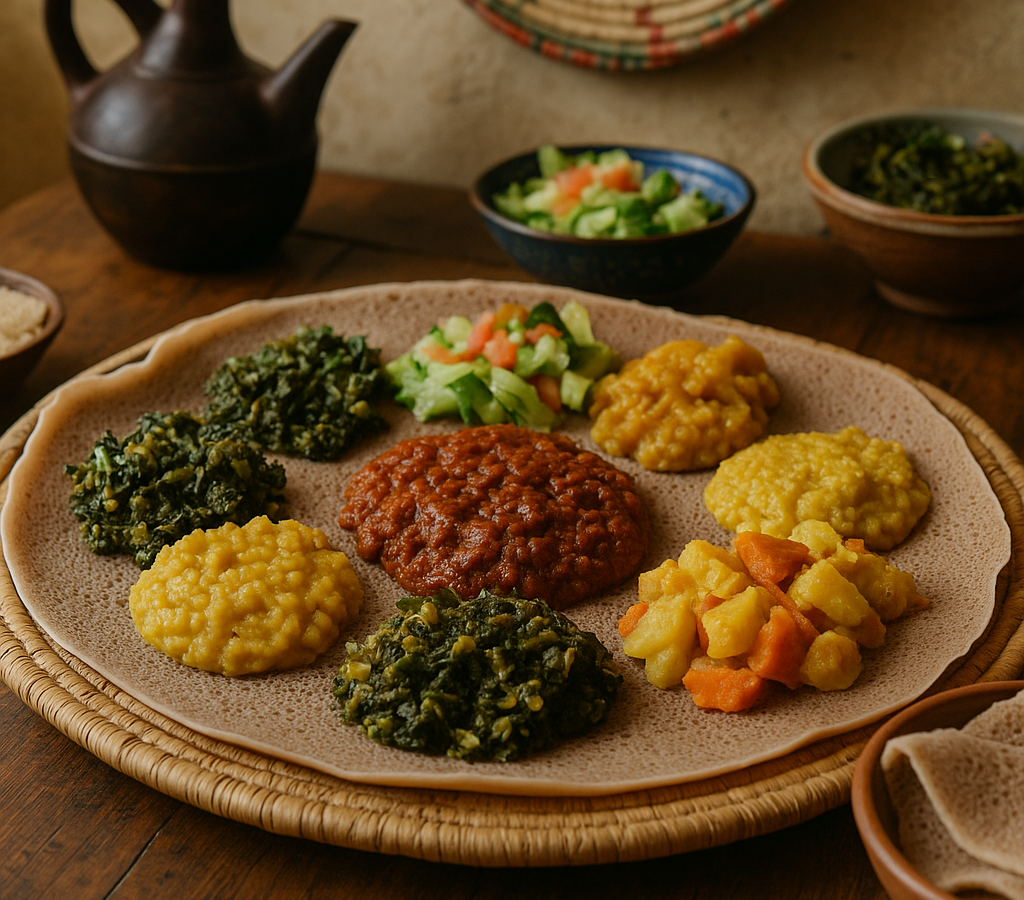
Vegetables such as carrots, potatoes, and greens are commonly used, often sautéed with onions and seasoned with spices. The combination of vibrant colors and bold flavors makes Ethiopian vegetarian cuisine visually appealing and satisfying.
Traditional Cooking Methods
The preparation of Ethiopian vegetarian dishes often involves traditional cooking methods that enhance the flavors of the ingredients. One common method is steaming vegetables, which preserves their nutrients and natural tastes. Additionally, many dishes are slow-cooked, allowing the spices to meld and develop rich flavors over time.
Another hallmark of Ethiopian cooking is the use of clay pots called “mitad” for baking injera and cooking stews. The use of these traditional pots not only contributes to the unique flavors but also connects the cooking process to Ethiopia’s cultural heritage.
The Role of Religion in Ethiopian Cuisine
Religion plays a pivotal role in shaping Ethiopian vegetarian cuisine. The Ethiopian Orthodox Church, one of the oldest Christian denominations in the world, observes several fasting days throughout the year. During these fasts, followers are required to abstain from animal products, leading to an emphasis on vegetarian meals.
This religious practice has encouraged the development of various vegetarian dishes that are both nutritious and flavorful. The community aspect of sharing meals during these fasting periods highlights the importance of togetherness and cultural identity in Ethiopian society.
Popular Ethiopian Vegetarian Dishes
There is a wide variety of popular dishes that fall under the umbrella of Ethiopian vegetarian cuisine. Some of the most beloved options include:
- Shiro: A thick stew made from ground chickpeas or lentils, flavored with spices and often served with injera.
- Misir Wot: A spicy lentil stew cooked with onions, garlic, and berbere spice.
- Gomen: Collard greens sautéed with onions, garlic, and spices, offering a nutritious side dish.
- Atayef: Sweet stuffed pancakes, often filled with nuts or sweetened cheese, served as a dessert.
- Teff Injera: The iconic flatbread that accompanies almost every meal, made from fermented teff flour.
How to Enjoy Ethiopian Vegetarian Cuisine
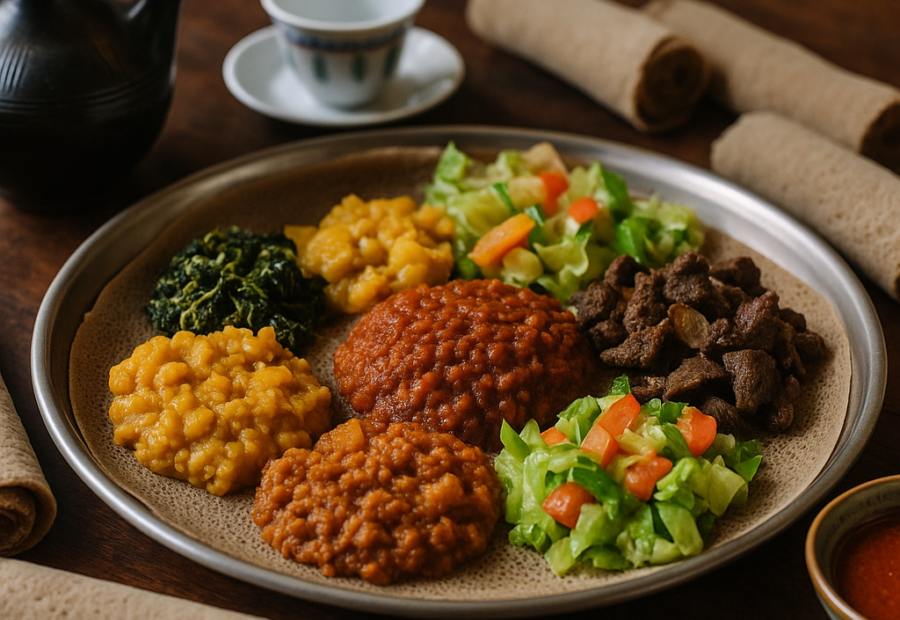
Experiencing Ethiopian vegetarian cuisine is best done in a communal setting, where diners share dishes and flavors. The traditional way of eating involves using injera to scoop up stews and vegetables, allowing for a hands-on dining experience that fosters connection.
When dining at an Ethiopian restaurant, it is common to order a variety of dishes to share among the group. This not only showcases the diversity of flavors but also enhances the communal aspect of the meal. Pairing the food with traditional Ethiopian beverages, such as tej (honey wine) or a local beer, can elevate the dining experience.
Finding Ethiopian Restaurants Near You
If you’re eager to explore Ethiopian vegetarian cuisine, there are many restaurants that specialize in this flavorful and diverse fare. To find a local Ethiopian restaurant, you can visit the Habesha restaurant directory. This resource can help you discover authentic dining experiences that celebrate the rich culinary traditions of Ethiopia.
Additionally, for more insights into Ethiopian food and culture, check out our Habesha food and culture guides. These guides can provide further context and appreciation for the dishes you may encounter.
Frequently Asked Questions
Is Ethiopian vegetarian cuisine suitable for everyone?
Yes, Ethiopian vegetarian cuisine is generally suitable for everyone, including those who are not vegetarian. The diverse flavors and ingredients appeal to a wide range of palates.
Are there gluten-free options in Ethiopian vegetarian cuisine?
Many Ethiopian vegetarian dishes are gluten-free, especially those made with legumes and vegetables. Injera made from teff flour is also gluten-free, making it a great option for those with gluten sensitivities.
What is the best way to enjoy Ethiopian vegetarian dishes?
The best way to enjoy Ethiopian vegetarian cuisine is by sharing a variety of dishes with others, using injera as a utensil to scoop up the food.
Can I make Ethiopian vegetarian dishes at home?
Absolutely! Many Ethiopian vegetarian dishes can be made at home with accessible ingredients, and numerous recipes are available online to guide you through the cooking process.