
In this guide
- Key Components of Ethiopian Cuisine
- Understanding Injera
- Exploring Wot: The Heart of Ethiopian Stews
- Discovering Tibs: Sautéed Goodness
- All About Kitfo
- Other Popular Dishes
- Tips for Ordering and Enjoying Your Meal
Key Components of Ethiopian Cuisine
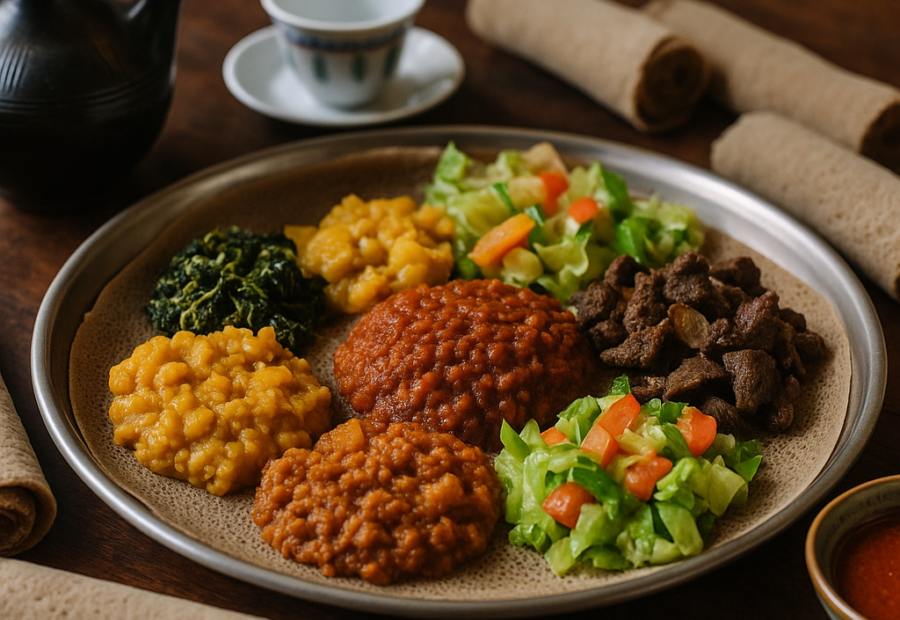
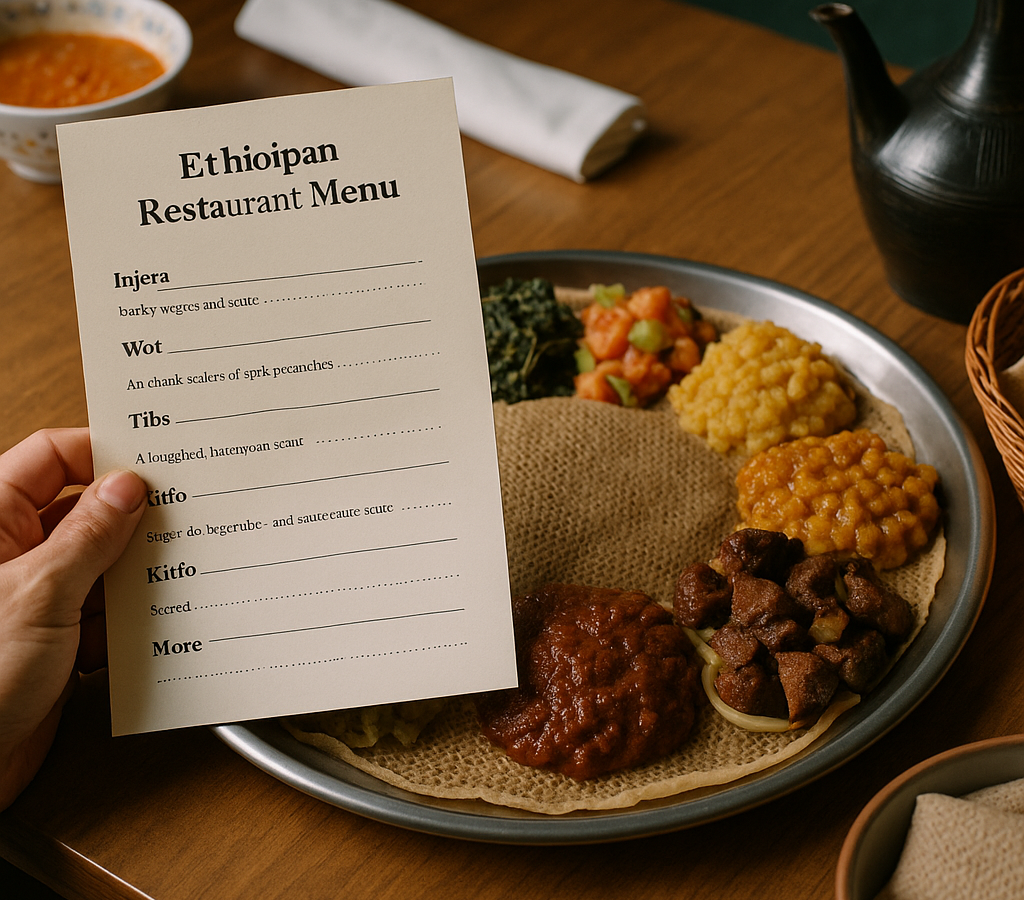
Ethiopian cuisine is characterized by its communal eating style and a variety of unique flavors that reflect the country’s diverse cultures. At the core of many dishes is injera, a sourdough flatbread that serves as both a plate and a utensil. The menu usually showcases a range of stews, grilled meats, and vegetables, all seasoned with an array of spices, particularly berbere, a spice blend that adds warmth and depth to many dishes.
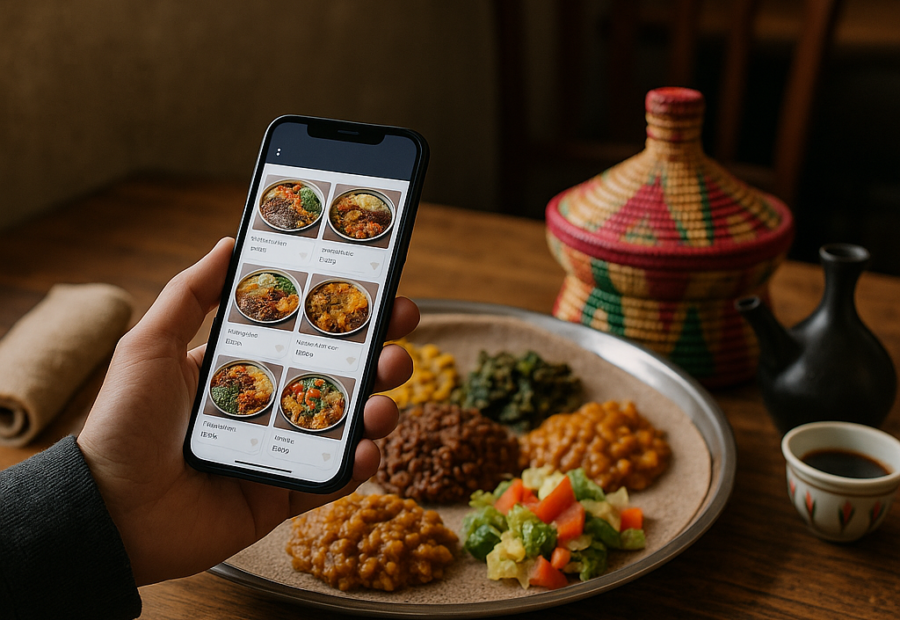
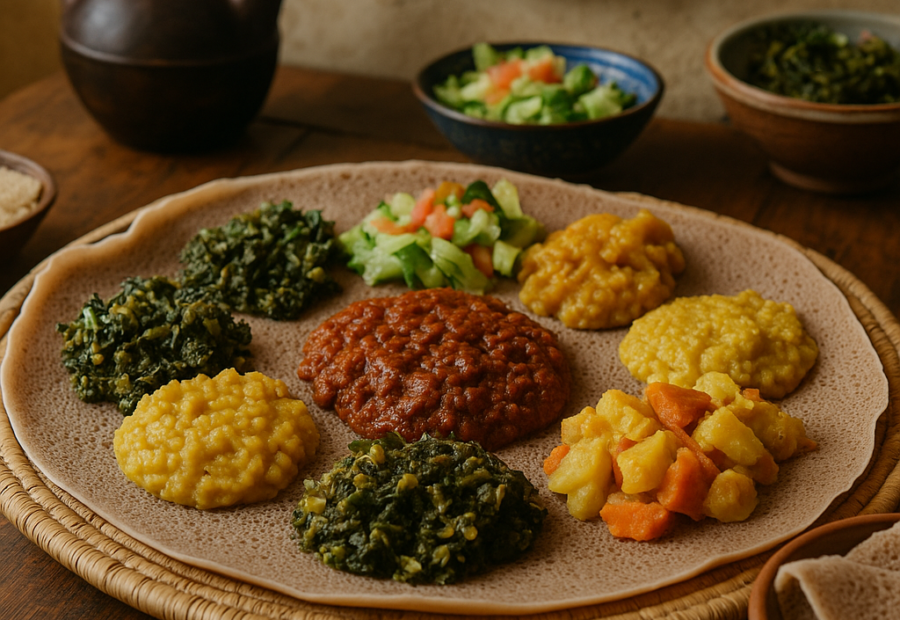
When examining an Ethiopian restaurant menu, you’ll often encounter a mix of vegetarian and meat options, catering to a variety of dietary preferences. Vegetarian dishes are typically made with lentils, chickpeas, and various vegetables, showcasing the country’s rich agricultural heritage.
Understanding Injera
Injera is more than just a food item; it is a staple of Ethiopian dining. Made from teff, a gluten-free grain, injera has a slightly sour taste due to the fermentation process. It is traditionally served in large, round pieces, often layered on a communal platter. The texture is spongy, allowing it to soak up the flavors from the stews and other dishes placed on top.
When you order your meal, you may find that injera is served alongside or beneath your selected dishes. It is customary to tear off pieces of injera to scoop up the food, making for a hands-on and interactive dining experience. Embracing this method of eating is part of the joy of enjoying Ethiopian cuisine.
Exploring Wot: The Heart of Ethiopian Stews
Wot, or stew, is often considered the centerpiece of an Ethiopian meal. There are many varieties of wot, each with its own distinct flavors and ingredients. Common types include doro wot (chicken stew), sega wot (beef stew), and shiro wot (a chickpea stew). Each wot is slow-cooked and seasoned with a blend of spices, creating a rich and hearty dish.
When you see wot listed on the menu, expect a dish that is deeply flavorful and often served with a generous portion of injera. The communal style of serving wot encourages sharing and enhances the experience of savoring multiple flavors in one meal.
Discovering Tibs: Sautéed Goodness
Tibs refers to sautéed meat, typically beef, lamb, or chicken, that is cooked with onions, garlic, and a mix of spices. This dish can vary in preparation, with some versions being spicy and others more mild. Tibs is often served on a sizzling platter, making it visually appealing and aromatic.
On the Ethiopian restaurant menu, you might find various types of tibs, including awaze tibs (marinated and spicy) or doro tibs (chicken tibs). This dish is versatile and can be enjoyed on its own or alongside injera, allowing for a delightful combination of textures and flavors.
All About Kitfo
Kitfo is a traditional Ethiopian dish made from raw minced beef that is seasoned with spices and clarified butter, known as kibe. It can be served raw, lightly cooked, or well done, depending on personal preference. Kitfo is often accompanied by gomen (cooked greens) and ayib (fresh cheese), which balance the rich flavors of the meat.
This dish is popular for special occasions and is a must-try for adventurous eaters. When ordering kitfo, be prepared for a unique tasting experience that highlights the quality of the beef and the aromatic spices that characterize Ethiopian cuisine.
Other Popular Dishes
In addition to the well-known dishes mentioned above, Ethiopian restaurant menus often feature a variety of other delicious options. Some notable mentions include:
- Shiro: A hearty stew made from ground chickpeas or lentils, often seasoned with spices.
- Gomen: Braised collard greens, typically seasoned with onions and spices, served as a side dish.
- Foul: A popular breakfast dish made from fava beans, often served with eggs and spices.
- Azifa: A refreshing lentil salad, typically made with green lentils, onions, and peppers.
Tips for Ordering and Enjoying Your Meal
To fully enjoy your experience at an Ethiopian restaurant, here are some helpful tips:
- Ask for Recommendations: Don’t hesitate to ask the staff for their favorite dishes or what they recommend for first-time visitors.
- Share Your Meal: Ordering a variety of dishes to share allows you to sample multiple flavors and textures.
- Try Everything with Injera: Don’t forget to use injera to scoop up your food—it enhances the flavors and is part of the experience.
- Be Open to New Flavors: Ethiopian cuisine is rich and diverse, so be adventurous and try dishes you may not be familiar with.
By understanding the key components of the Ethiopian restaurant menu, you can approach your dining experience with confidence. From the unique taste of injera to the hearty stews like wot and tibs, every dish tells a story and offers a taste of Ethiopia’s rich culinary heritage.
For more insights into the diverse offerings of Ethiopian cuisine, be sure to check out our Habesha food and culture guides. Additionally, if you’re looking for a specific restaurant to explore these delicious dishes, visit our Habesha restaurant directory.