
In This Guide
- Understanding Digital Restaurant Menus
- Benefits of Digital Menus
- Choosing the Right Platform
- Designing an Engaging Menu
- Integrating with Restaurant Operations
- Marketing Your Digital Menu
- Future Trends in Digital Restaurant Menus
Understanding Digital Restaurant Menus
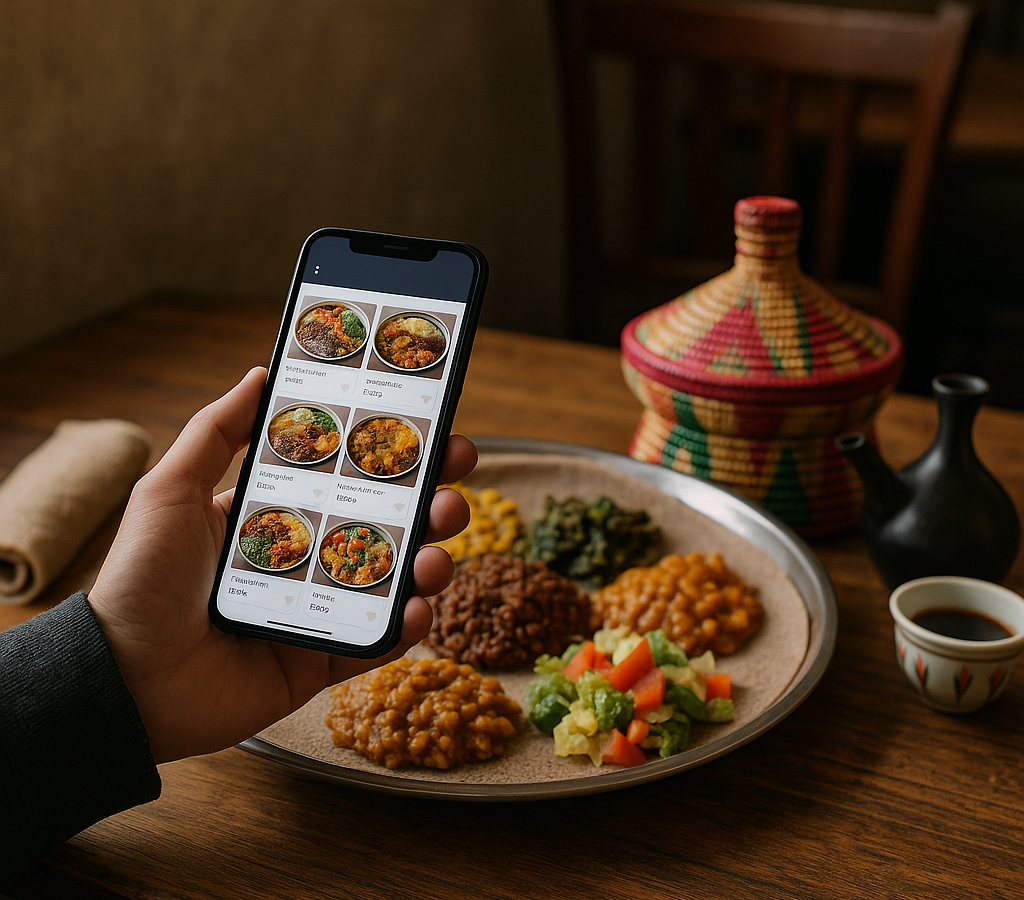
Digital restaurant menus are interactive and can be accessed through various devices, such as smartphones and tablets. They often come with features like images, descriptions, and even customer reviews. Unlike traditional menus, digital formats can be updated easily, allowing restaurants to make changes instantly based on availability or seasonal offerings. This flexibility helps maintain customer interest and satisfaction.
Restaurants can choose to implement digital menus in various ways. Some opt for QR codes that customers can scan to view the menu on their devices, while others may provide tablets at each table. Each option has its benefits and drawbacks, depending on the restaurant’s concept and customer base.
Benefits of Digital Menus
The advantages of adopting digital restaurant menus are numerous. For restaurant owners, these menus can lead to increased efficiency and enhanced customer engagement. Here are some key benefits:
- Cost-Effective Updates: Easily change prices, add new items, or remove unavailable dishes without the need for reprinting.
- Improved Customer Experience: Customers can view detailed descriptions and images, helping them make informed choices.
- Enhanced Safety: Reduces physical contact, which is essential in maintaining hygiene.
- Data Collection: Digital menus can track customer preferences and popular items, providing valuable insights for menu planning.
Choosing the Right Platform
Not all digital menu solutions are created equal. Restaurant owners should consider several factors when selecting a platform. First, assess the ease of use for both staff and customers. A user-friendly interface can enhance the dining experience and streamline operations. Additionally, consider the platform’s compatibility with existing point-of-sale systems.
It’s essential to evaluate features such as customization options, customer support, and pricing. Some popular platforms offer features like real-time updates, multilingual support, and integration with delivery services. Take the time to research and select a platform that aligns with your restaurant’s specific needs.
Designing an Engaging Menu
The design of your digital restaurant menu plays a crucial role in attracting customers. A well-designed menu should reflect your restaurant’s brand and ambiance. Use high-quality images to showcase your dishes and make sure descriptions are enticing yet concise.
Consider organizing the menu into easily navigable sections, making it simple for customers to find what they’re looking for. Utilizing colors and fonts that align with your brand identity can create a cohesive look, enhancing the overall dining experience. Additionally, ensure that the menu is mobile-responsive, as many customers will access it through their smartphones.
Integrating with Restaurant Operations
For digital restaurant menus to be effective, they must be integrated into daily operations. This means training staff to update the menu regularly and ensuring that they can assist customers with any questions regarding the digital format. Staff should be knowledgeable about the menu items and comfortable navigating the digital platform to enhance customer interactions.
Additionally, consider how the digital menu will integrate with order management systems. A seamless connection between the menu and the kitchen can help reduce errors and improve service speed. Regularly reviewing menu performance data can also inform future menu changes and promotions.
Marketing Your Digital Menu
Once the digital menu is in place, marketing it effectively is crucial for maximizing its potential. Promote the digital menu on social media platforms, your restaurant’s website, and through email newsletters. Encourage customers to scan QR codes and share their experiences online.
Running promotions that highlight the digital menu can also attract more customers. For instance, offering a discount for orders placed through the digital menu can incentivize usage and boost sales. Collaborating with local influencers to showcase your digital offerings can further increase visibility and attract new patrons.
Future Trends in Digital Restaurant Menus
As technology continues to advance, the future of digital restaurant menus looks promising. Emerging trends include the use of artificial intelligence (AI) to personalize menu recommendations based on customer preferences. Additionally, augmented reality (AR) could play a role in enhancing the dining experience, allowing customers to visualize dishes before ordering.
Furthermore, sustainability will likely become a significant focus. Digital menus can help reduce paper waste, and restaurants may increasingly highlight their eco-friendly practices within their digital platforms. Staying abreast of these trends can help restaurant owners adapt and thrive in a rapidly changing landscape.
Frequently Asked Questions
What are digital restaurant menus?
Digital restaurant menus are interactive menus accessible via smartphones or tablets, offering features such as images, descriptions, and easy updates.
How can digital menus enhance customer experience?
They provide detailed information about dishes, reduce physical contact, and allow for instant updates based on availability.
What should I consider when choosing a digital menu platform?
Factors to consider include ease of use, compatibility with existing systems, customization options, and customer support.
Can digital menus help my restaurant save money?
Yes, digital menus reduce printing costs and can help track popular items, allowing for better inventory management.
For more insights on restaurant management and to explore Ethiopian and Eritrean culinary culture further, visit our Habesha food and culture guides.