
In This Guide
- Historical Overview of Ethiopian and Eritrean Food
- Common Ingredients and Spices
- Signature Dishes from Each Cuisine
- Dining Etiquette and Cultural Practices
- Regional Variations in Cooking Styles
- Where to Enjoy Ethiopian and Eritrean Food
- Frequently Asked Questions
Historical Overview of Ethiopian and Eritrean Food
The culinary traditions of Ethiopia and Eritrea are deeply rooted in their respective histories. Both countries have been influenced by various cultures, including Arab, Italian, and indigenous African traditions. Ethiopia, with its long-standing history as one of the world’s oldest nations, has contributed significantly to its culinary identity. Eritrea, which gained independence from Ethiopia in 1993, has its own distinct flavors while still sharing many similarities with Ethiopian cuisine.
The historical significance of spices in both cuisines cannot be overstated. Spices like berbere (a spice blend) and mitmita (a chili powder) have been staples for centuries, shaping both culinary and cultural practices. These spices not only enhance flavor but also reflect the agricultural resources of the region.
Common Ingredients and Spices
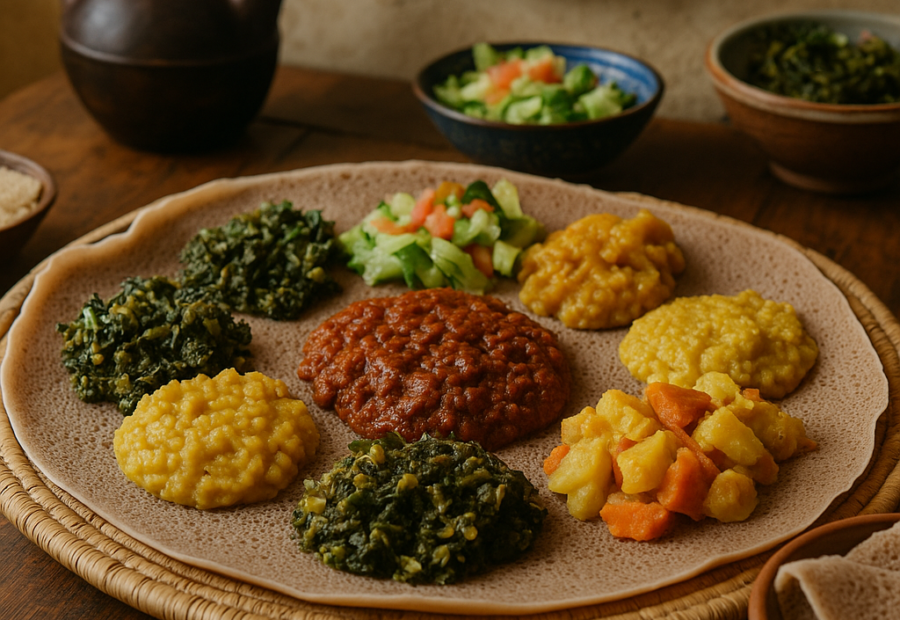
Both Ethiopian and Eritrean food prominently feature certain ingredients that define their dishes. Staple foods include teff, a grain used to make injera (a sourdough flatbread), and legumes such as lentils and chickpeas. In addition, vegetables like kale, carrots, and potatoes are commonly used in various recipes.
Spices play a crucial role in adding depth and complexity to the flavors. Some of the most commonly used spices include:
- Berbere: A fiery blend of chili peppers, garlic, ginger, and other spices.
- Mitmita: A spicier blend used often in Eritrean cooking, typically made with ground chili peppers, cardamom, and cloves.
- Korerima: Also known as Ethiopian cardamom, this spice adds a unique flavor to stews and dishes.
- Niter Kibbeh: A spiced clarified butter used for cooking, infusing dishes with rich flavor.
Signature Dishes from Each Cuisine
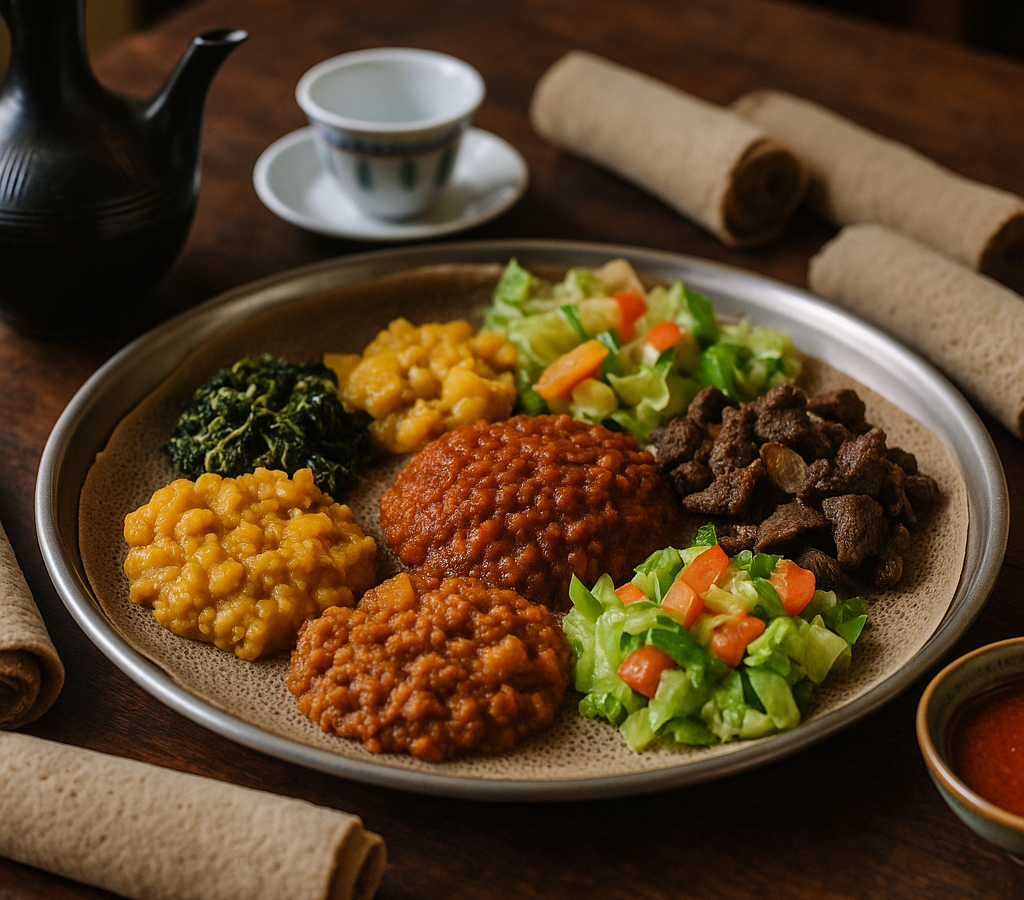
While there are many overlapping dishes in Ethiopian and Eritrean food, each cuisine boasts its own signature offerings. Some traditional Ethiopian dishes include:
- Doro Wat: A spicy chicken stew often served with hard-boiled eggs, known for its rich flavor.
- Shiro: A thick chickpea stew seasoned with spices, popular among vegetarians.
- Tibs: Sautéed meat (often beef or lamb) seasoned with various spices, served sizzling hot.
- Kitfo: Minced raw beef seasoned with spices, typically served with gomen (collard greens).
Eritrean cuisine offers its own unique dishes, such as:
- Zigni: A spicy meat stew that is a staple in Eritrean households.
- Hamli: A dish made with sautéed greens, often flavored with garlic and spices.
- Fatta: Bread soaked in a spicy sauce, a comfort food often enjoyed during special occasions.
Dining Etiquette and Cultural Practices
Dining in Ethiopian and Eritrean cultures is a communal experience. Meals are typically shared, reflecting the values of hospitality and togetherness. Injera serves as both a plate and a utensil; diners tear off pieces to scoop up stews and other dishes. It is customary to eat with one’s right hand, as the left hand is considered unclean.
In many households, the eldest member or the guest of honor is served first, signifying respect. Additionally, it is common to express gratitude by saying “tena yistilign,” which translates to “may you live long.” This practice highlights the importance of community and gratitude in the dining experience.
Regional Variations in Cooking Styles
Both Ethiopian and Eritrean food exhibit regional variations that reflect the diverse cultures within each country. In Ethiopia, for example, the northern region is known for its use of dairy products, such as cheese and yogurt, while the southern region features a variety of spicy dishes. Eritrean cuisine, influenced by its coastal geography, often incorporates seafood into traditional recipes.
These regional differences can also be seen in the preparation of injera, which may vary in texture and flavor depending on local practices. Furthermore, the use of local ingredients plays a crucial role in shaping the unique culinary identity of each region.
Where to Enjoy Ethiopian and Eritrean Food
For those looking to explore Ethiopian and Eritrean food, various restaurants offer authentic dining experiences. Many cities around the world have vibrant communities that celebrate these cuisines, providing opportunities to taste traditional dishes. A visit to a local restaurant can introduce you to the rich flavors and communal dining customs associated with these cultures.
For an extensive list of restaurants specializing in Ethiopian and Eritrean cuisine, check out the Habesha restaurant directory. This resource can guide you to local eateries where you can enjoy these delicious meals.
Frequently Asked Questions
What is the difference between Ethiopian and Eritrean food?
While both cuisines share many similarities in ingredients and cooking methods, they also have distinct dishes and regional flavors. Eritrean cuisine often features more seafood and unique spice blends like mitmita.
Is injera gluten-free?
Injera is traditionally made from teff, which is naturally gluten-free. However, some variations may include other grains that contain gluten, so it is essential to check with the restaurant.
Can you find vegetarian options in Ethiopian and Eritrean restaurants?
Yes, both cuisines offer a wide variety of vegetarian and vegan dishes, making them suitable for those following plant-based diets.
What is the best way to enjoy Ethiopian and Eritrean food?
The best way to enjoy these cuisines is by sharing a platter with friends or family, allowing everyone to try different dishes. Don’t forget to use injera to scoop up the food!
For more insights into Ethiopian and Eritrean culture and food, visit our Habesha food and culture guides.