
In This Guide
- Understanding Restaurant Menu Reservation Systems
- Benefits of a Digital Menu and Reservation Integration
- Key Features to Look for in a Restaurant Menu Reservation System
- How to Choose the Right System for Your Restaurant
- Implementing the System in Your Restaurant
- Best Practices for Managing Digital Menus and Reservations
- Future Trends in Restaurant Digital Experiences
Understanding Restaurant Menu Reservation Systems
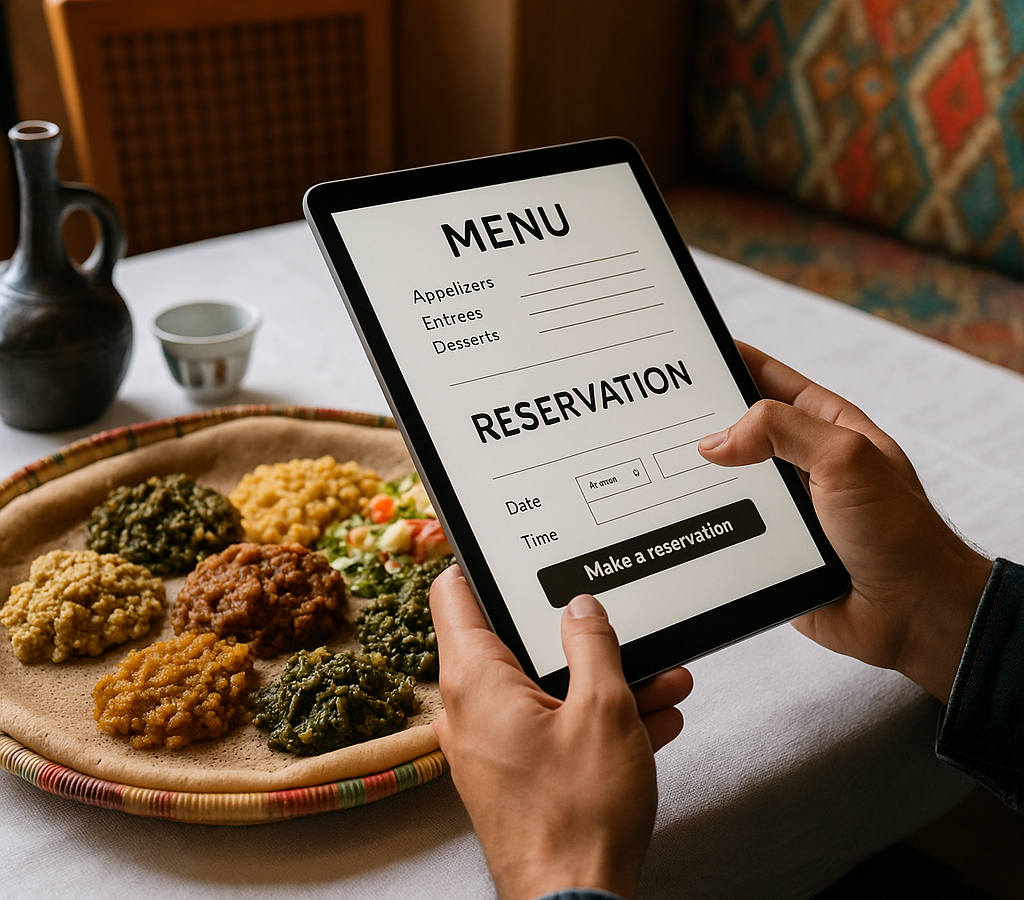
A restaurant menu reservation system combines the functionalities of menu presentation and reservation management into one cohesive platform. This system enables diners to view the menu, check availability, and make reservations—all in a single interface. By simplifying the process, it enhances user experience and encourages more guests to book a table.
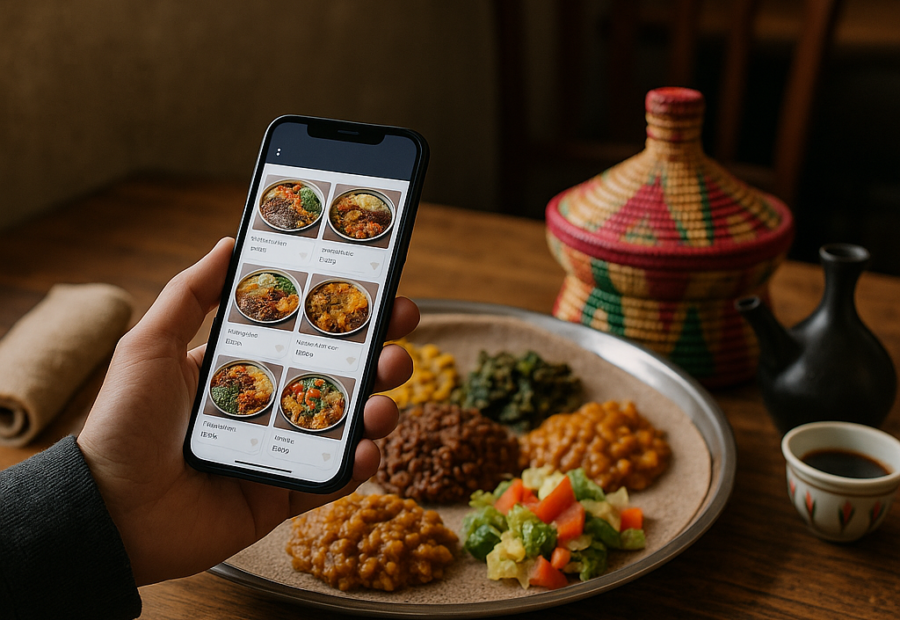
Typically, these systems can be accessed via a restaurant’s website or mobile app, ensuring that users can engage with the establishment anytime, anywhere. The convenience of having a digital menu readily available can significantly influence a diner’s choice when selecting where to eat.
Benefits of a Digital Menu and Reservation Integration
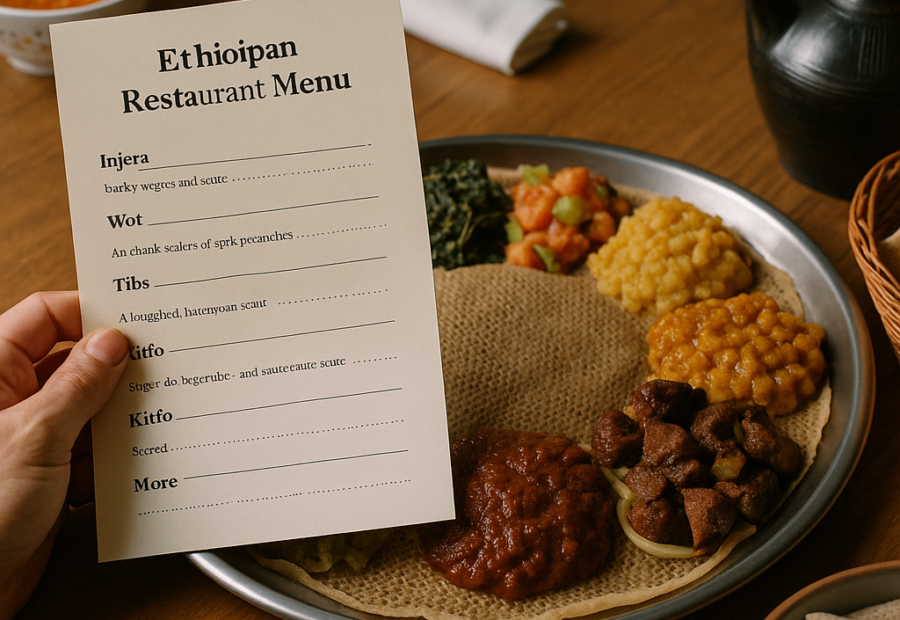
Integrating a digital menu with a reservation system offers numerous advantages for restaurants. First, it provides a clear, organized presentation of menu items, including descriptions and pricing. This transparency helps guests make informed decisions before arriving.
Moreover, such systems can reduce wait times by allowing guests to reserve tables in advance. This not only enhances customer satisfaction but also aids restaurants in managing their seating capacity efficiently. By knowing how many guests to expect, restaurants can optimize staffing and food preparation.
Additionally, a digital approach can lead to increased engagement. Guests can share their experiences online, leading to organic marketing and greater brand visibility. This word-of-mouth promotion is invaluable in the competitive restaurant industry.
Key Features to Look for in a Restaurant Menu Reservation System
When selecting a restaurant menu reservation system, consider the following key features:
- User-Friendly Interface: The system should be easy to navigate for both guests and staff.
- Mobile Compatibility: Ensure the system works well on smartphones and tablets, as many users will book via mobile devices.
- Real-Time Availability: A good system provides real-time updates on table availability to avoid overbooking.
- Menu Customization: The ability to easily update menu items, prices, and descriptions is essential.
- Analytics and Reporting: Look for tools that offer insights into dining trends and customer behavior.
- Integration with POS Systems: Seamless integration with existing Point of Sale systems enhances operational efficiency.
- Customer Support: Reliable customer support can help resolve issues quickly and keep the system running smoothly.
How to Choose the Right System for Your Restaurant
Selecting the right restaurant menu reservation system involves careful consideration of your specific needs and operational workflow. Start by evaluating the size of your restaurant and the volume of reservations you typically handle. Larger establishments may require more robust systems with advanced features.
Next, assess your budget. While some systems offer a range of pricing options, it’s crucial to choose one that provides good value without sacrificing essential features. Consider seeking recommendations from other restaurant owners or reading online reviews to gauge the reliability of different systems.
Finally, take advantage of free trials or demos offered by many providers. This allows you to test the system’s functionality and user experience before making a commitment.
Implementing the System in Your Restaurant
Once you have chosen a restaurant menu reservation system, the implementation phase begins. Start by training your staff on how to use the system effectively, ensuring they are comfortable navigating through both the menu and reservation features.
Next, populate the system with your menu items, including high-quality images and detailed descriptions. This will help attract diners and provide them with the information they need to make a reservation. Additionally, ensure that your online presence is updated to reflect the new system, including your website and social media profiles.
Finally, monitor the system’s performance regularly. Gather feedback from both staff and customers to identify any areas for improvement or possible adjustments.
Best Practices for Managing Digital Menus and Reservations
To maximize the effectiveness of your restaurant menu reservation system, adhere to these best practices:
- Regular Updates: Keep your menu current with seasonal items and special promotions to engage returning guests.
- Clear Communication: Inform your guests about any changes to the menu or reservation policies through your website and social media.
- Engagement: Encourage guests to leave reviews and share their dining experiences online, which can enhance your restaurant’s reputation.
- Feedback Mechanism: Implement a feedback system to gather insights from diners about their experience with the digital reservation process.
Future Trends in Restaurant Digital Experiences
The landscape of restaurant dining is continuously evolving, with technology playing a pivotal role in enhancing guest experiences. Future trends may include further personalization of digital menus based on customer preferences, AI-driven recommendations, and enhanced mobile payment options.
Moreover, as restaurants increasingly focus on sustainability, digital systems may include features that reflect environmentally-friendly practices, such as sourcing local ingredients or minimizing food waste. These trends not only improve operational efficiency but also resonate with the growing consumer demand for sustainable dining options.
Conclusion
A restaurant menu reservation system is a vital tool for modern dining establishments, offering numerous benefits that enhance the guest experience. By understanding the features and best practices associated with these systems, restaurant owners can create a welcoming environment that encourages repeat business and positive word-of-mouth.
For more information on Ethiopian and Eritrean dining options, check out our Habesha restaurant directory. You can also explore our Habesha food and culture guides for insights into the rich culinary traditions of the region.