
Habesha dining culture is a rich blend of tradition, communal sharing, and deep-rooted hospitality that reflects the values and history of the Ethiopian and Eritrean people. At the heart of this culture lies a unique approach to food that transcends mere nourishment. It is an experience that fosters connection, respect, and appreciation, making every meal a special occasion. This article will explore various aspects of Habesha dining culture, including the significance of shared meals, the practice of gursha, and the role of hospitality in creating memorable dining experiences.
Understanding the Essence of Habesha Dining Culture
At its core, Habesha dining culture emphasizes community and togetherness. Meals are often shared among family and friends, reinforcing bonds and creating a sense of belonging. This communal aspect is reflected in the way food is served and enjoyed, with large platters placed at the center of the table for everyone to partake. The act of sharing food is not just about eating; it symbolizes love, respect, and unity.
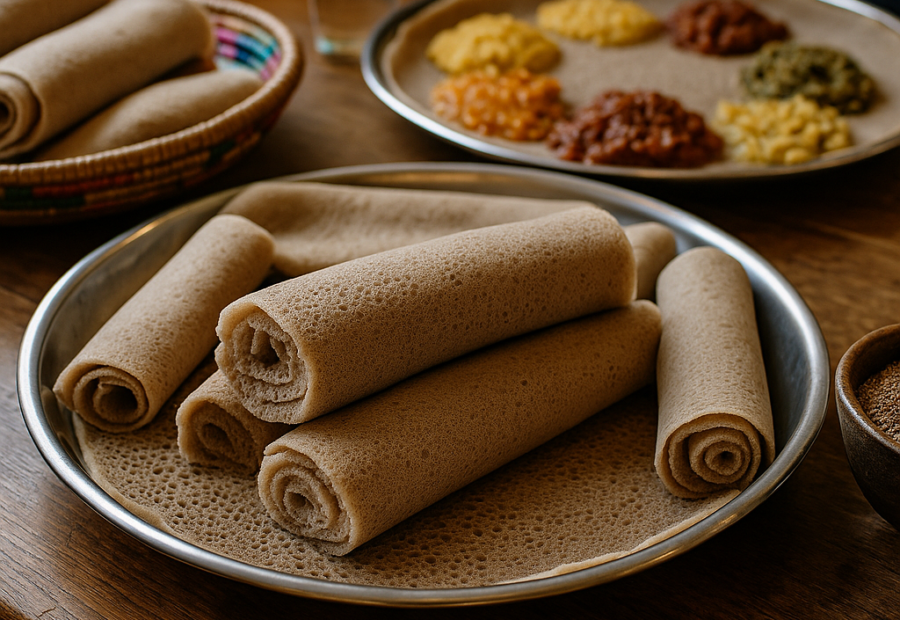
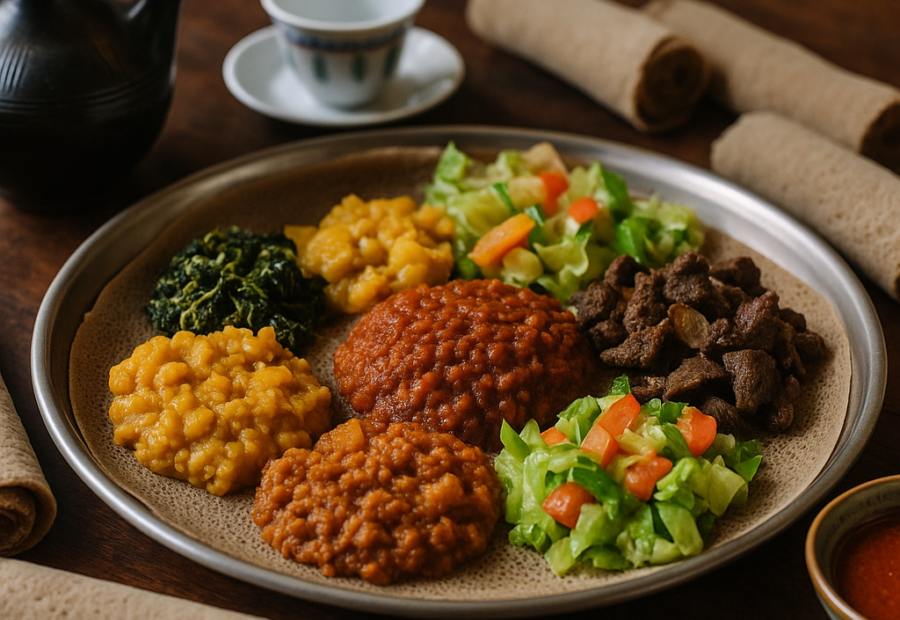
Traditionally, meals in Habesha culture are served on a large, round platter called a mesob, which is often made of woven grass or wood. On this platter, you will find a variety of dishes, typically featuring a base of injera— a sourdough flatbread made from teff flour— topped with various stews known as wot. This presentation encourages diners to reach in and enjoy the meal together, fostering a spirit of camaraderie.
The Role of Gursha in Habesha Dining
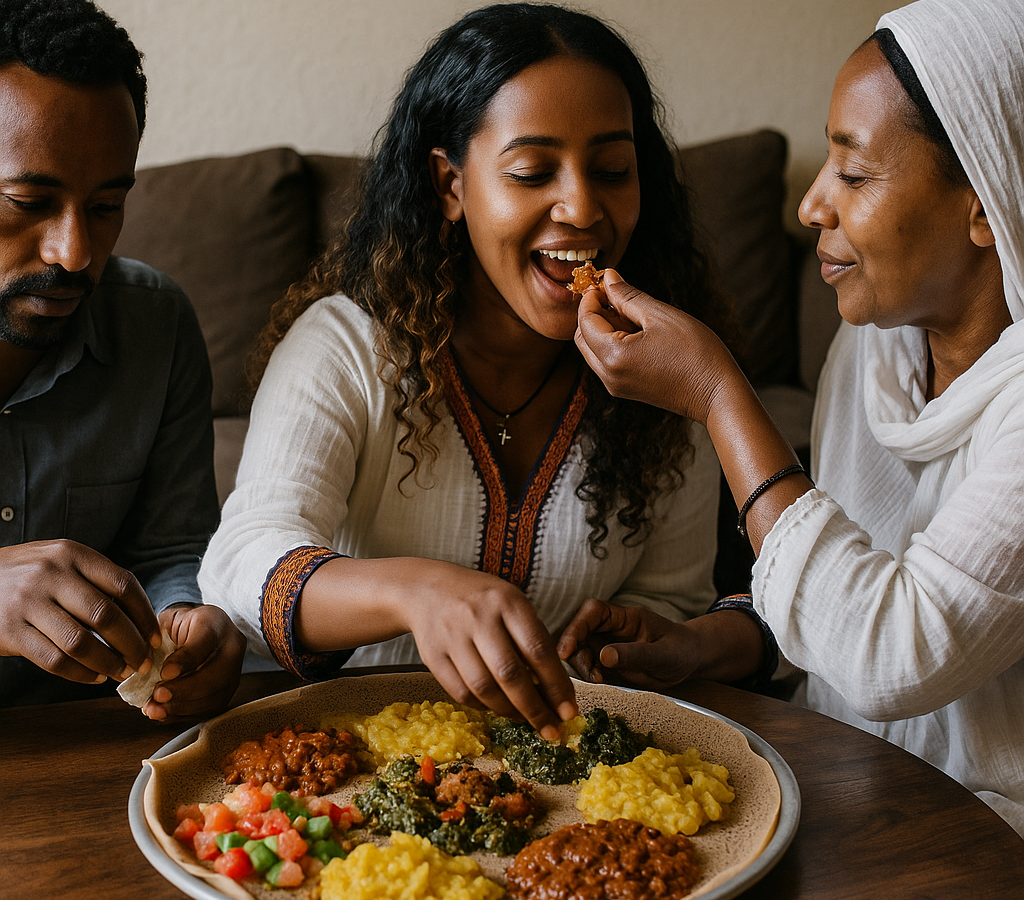
One of the most distinctive practices in Habesha dining culture is the act of gursha, which involves feeding another person by hand. This gesture is more than just a way to share food; it is a deeply symbolic act that signifies love, respect, and friendship. Gursha is often performed during special occasions or among close friends and family, creating a sense of intimacy and connection.
Discover experiences with Klook
Browse tours, day trips, activities and local experiences for your next destination.
The practice of gursha also highlights the importance of hospitality in Habesha culture. When someone offers you a gursha, they are inviting you into their world, showing that they value your presence and wish to share a part of themselves with you. This act transcends the food itself and becomes a meaningful interaction that can strengthen relationships.
Common Dishes in Habesha Cuisine
Habesha dining culture is characterized by a diverse array of flavors and ingredients, each dish carrying its own significance and history. Here are some common dishes you might encounter:
- Injera: The staple flatbread that serves as both a plate and utensil.
- Doro Wot: A spicy chicken stew, often considered the national dish of Ethiopia.
- Misir Wot: A flavorful lentil stew seasoned with berbere, a traditional spice blend.
- Shiro: A chickpea stew that is both hearty and comforting.
- Tibs: Sautéed meat, usually served with vegetables, offering a savory option for meat lovers.
- Kitfo: A dish made from raw minced meat, often flavored with spices and served with gomen (cooked greens).
- Tej: A traditional honey wine that complements many meals.
The Importance of Hospitality in Habesha Culture
Hospitality is a cornerstone of Habesha dining culture. When guests arrive, they are treated with the utmost respect and care. It is customary to offer food and drink as a sign of welcome. The act of serving guests is seen as a privilege, and hosts often go to great lengths to ensure that everyone feels comfortable and valued.
This emphasis on hospitality extends beyond the meal itself. Hosts may engage guests in conversation, share stories, and create an atmosphere of warmth and camaraderie. The experience is designed to make everyone feel like part of the family, regardless of their background or status.
Special Occasions and Celebrations
In Habesha culture, meals are often central to celebrations and special occasions. Weddings, religious festivals, and other significant events are marked by elaborate feasts that showcase the richness of the cuisine. These gatherings serve not only to honor the occasion but also to strengthen community ties.
Stay online with Saily
Choose an eSIM data plan for maps, messages and everyday internet access while travelling.
During such events, it is common for multiple dishes to be prepared, offering guests a taste of various flavors and textures. The preparation and sharing of these meals symbolize unity and joy, making them memorable experiences for all involved.
Dining Etiquette in Habesha Culture
Understanding the dining etiquette in Habesha culture can enhance your experience and show respect for the traditions. Here are some key points to keep in mind:
- Wash Your Hands: It is customary to wash your hands before a meal, as food is typically eaten with the hands.
- Eat from the Same Plate: Sharing a communal platter is a sign of unity; it is considered impolite to take food from the platter without offering it to others.
- Use Your Right Hand: Traditionally, only the right hand is used for eating, as the left hand is considered unclean.
- Express Gratitude: Thanking your host and complimenting the food is customary and appreciated.
Conclusion: The Heart of Habesha Dining Culture
Habesha dining culture is a beautiful expression of community, love, and hospitality. The act of sharing meals, engaging in gursha, and celebrating together creates a unique environment that fosters connections and strengthens relationships. Understanding and participating in these traditions can enrich your experience and deepen your appreciation for the rich cultural heritage of the Ethiopian and Eritrean people.
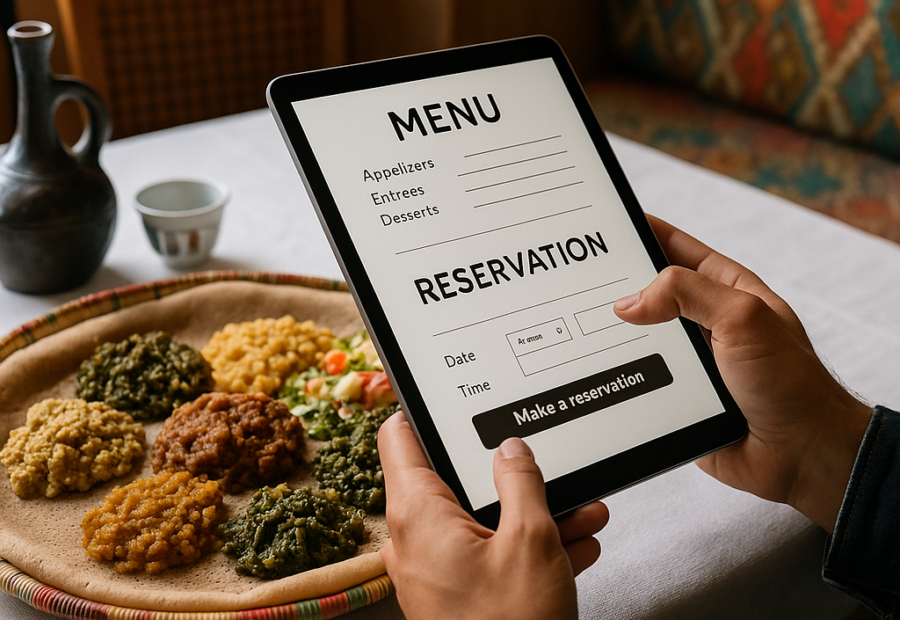
Whether you are enjoying a meal at home or visiting a local restaurant, embracing the values of Habesha dining culture will undoubtedly lead to memorable moments and lasting friendships. To explore more about Habesha food and culture, check out our Habesha food and culture guides and discover the vibrant world of Habesha cuisine.