
Injera is more than just a staple food in Ethiopian and Eritrean cuisine; it is a cultural symbol that embodies the essence of communal dining. Made primarily from teff, a tiny grain that is gluten-free and rich in nutrients, injera serves as both a base and a utensil for various dishes. Its unique texture and flavor come from a fascinating fermentation process, making it a true culinary masterpiece. This guide will explore the ingredients, preparation methods, cultural significance, and the communal aspect of injera, celebrating its role in bringing people together around the table.
What is Injera?
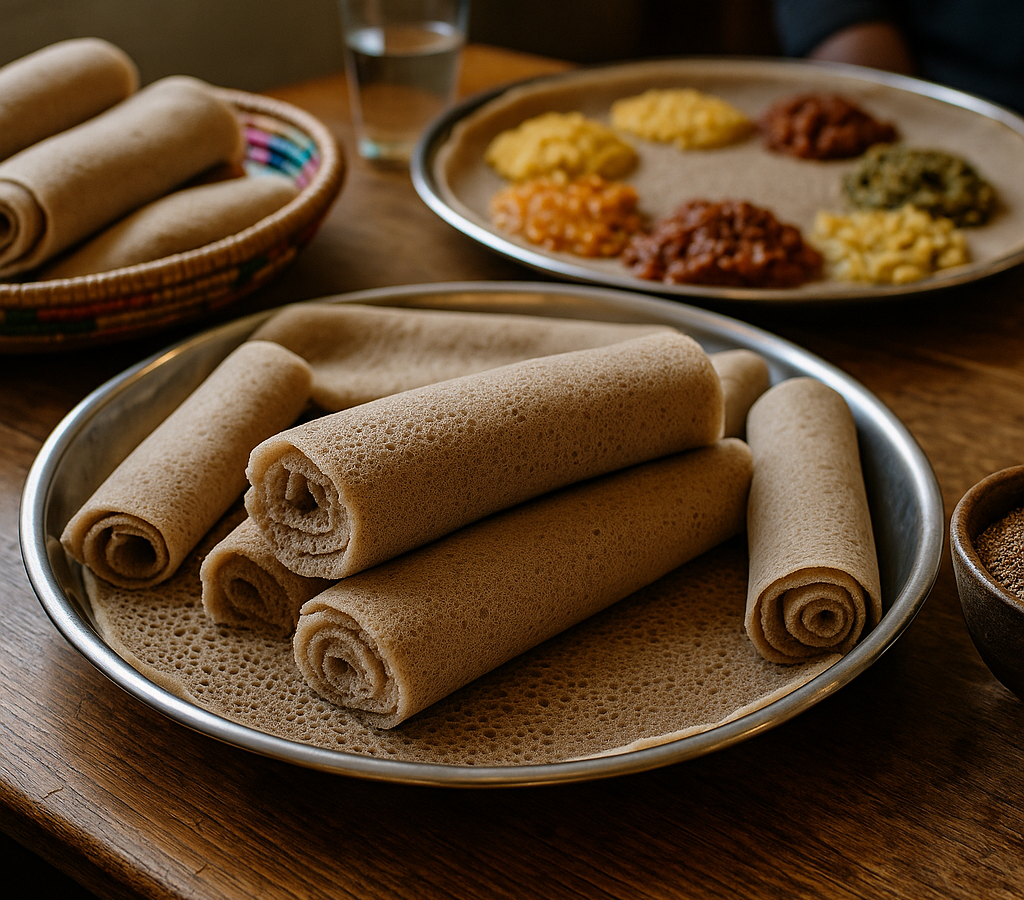
Injera is a sourdough flatbread that has a distinct spongy and porous texture. It is traditionally made from teff flour, which is ground from the tiny seeds of the teff plant, native to the Ethiopian highlands. The fermentation process gives injera its characteristic tangy flavor, which complements a variety of stews and dishes commonly served in Ethiopian and Eritrean households. The bread is typically large, circular, and served on a communal platter, inviting diners to share their meals and experiences.
The Role of Teff in Injera
Teff is truly the heart of injera. This ancient grain has been cultivated for thousands of years and is esteemed for its nutritional benefits. It is rich in protein, fiber, and essential minerals such as iron and calcium, making it an excellent dietary choice. Teff’s unique properties also contribute to the flavor and texture of injera. The grain can be ground into different textures, from coarse to fine, allowing for variations in the bread’s final product.
In addition to its health benefits, teff is a sustainable crop that requires minimal water and can thrive in challenging climates. This adaptability has made it a crucial food source in Ethiopia and Eritrea, where it is often grown by smallholder farmers. The increasing global interest in gluten-free grains has also led to a surge in the popularity of teff outside of Africa.
Discover experiences with Klook
Browse tours, day trips, activities and local experiences for your next destination.
The Fermentation Process
The fermentation process is essential to making injera and is what sets it apart from other flatbreads. To prepare injera, a mixture of teff flour and water is left to ferment for several days. This process allows natural yeast and bacteria to develop, creating a unique sour flavor and producing the bubbles that make injera spongy. The longer the fermentation, the tangier the injera will be.
Once fermented, the batter is poured onto a hot, flat cooking surface called a mitad. The batter is spread in a circular motion, and as it cooks, it forms a network of small holes on the surface, a characteristic feature of injera. This spongy texture is not only visually appealing but also functional, as it allows the injera to soak up the rich flavors of accompanying dishes.
How to Serve Injera
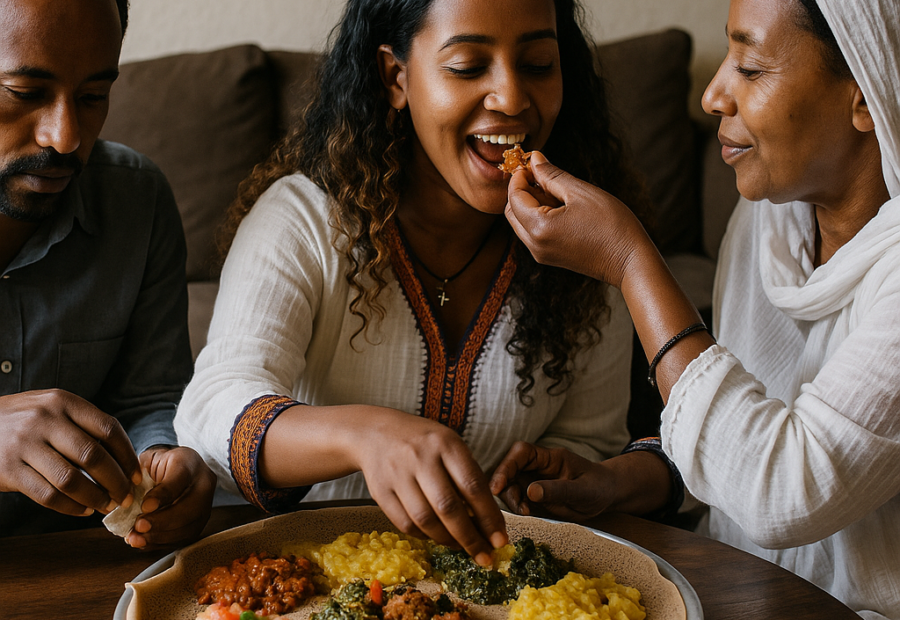
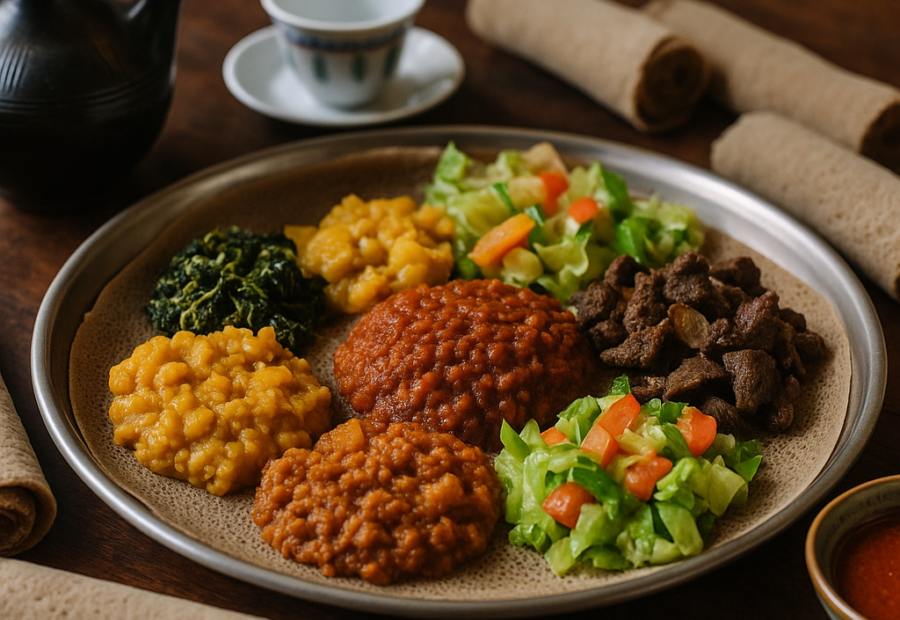
Injera is typically served on a large communal platter, with various stews and salads placed on top. These dishes, known as wot (or wat), can include lentils, vegetables, and meats, often seasoned with a blend of spices called berbere. Diners use pieces of injera to scoop up the food, creating a sense of connection and shared experience at the table.
The act of eating injera is as much about the food as it is about the social interaction that accompanies it. In Ethiopian and Eritrean culture, meals are often enjoyed in groups, emphasizing community and togetherness. This communal dining experience fosters relationships and strengthens bonds among family and friends.
The Cultural Significance of Injera
Injera is more than just a meal; it is a cultural artifact that reflects the values and traditions of Ethiopian and Eritrean societies. It is often present during important celebrations and gatherings, such as weddings, holidays, and religious events. Sharing injera signifies hospitality and warmth, as it invites guests to partake in the meal and the experience.
Stay online with Saily
Choose an eSIM data plan for maps, messages and everyday internet access while travelling.
Moreover, the preparation of injera can be a communal activity itself. Families often gather to make injera together, passing down recipes and techniques through generations. This practice not only strengthens family ties but also preserves cultural heritage in a rapidly changing world.
Exploring Various Types of Injera
While traditional injera is made from teff, variations exist that incorporate other grains or flours to create different flavors and textures. Some common types of injera include:
- Teff Injera: The classic version, made solely from teff flour.
- Mixed Grain Injera: A blend of teff and other flours, such as barley or wheat.
- Fermented Injera: Made from a longer fermentation process for a more pronounced sour flavor.
- Sweet Injera: Occasionally sweetened with honey or sugar, often served during special occasions.
These variations may cater to different dietary preferences or regional tastes, showcasing the adaptability of injera within its cultural context.
Making Injera at Home
For those interested in making injera at home, the process can be both rewarding and educational. Here is a simple step-by-step guide to prepare injera:
- Mix Ingredients: Combine teff flour with water in a bowl until you achieve a batter-like consistency.
- Ferment: Cover the bowl and let it sit at room temperature for 2-3 days, stirring occasionally. Look for bubbles forming on the surface.
- Cook: Preheat a skillet or mitad and pour a ladle of batter, spreading it evenly. Cover and cook until the surface is set and holes form.
- Serve: Once cooked, transfer the injera to a plate and add your favorite wot or salad on top for a complete meal.
Making injera at home can help deepen your appreciation for this beloved staple and connect you with Ethiopian and Eritrean culture.
Frequently Asked Questions
What is the best way to store injera?
Injera can be stored in an airtight container in the refrigerator for up to a week. To reheat, place it in a skillet briefly or microwave it with a damp paper towel.
Can I use a different flour to make injera?
While traditional injera is made from teff, you can experiment with other gluten-free flours, but the taste and texture will differ from the classic version.
Is injera gluten-free?
Yes, injera made from pure teff flour is gluten-free, making it suitable for those with gluten sensitivities or celiac disease.
Where can I find authentic injera?
You can find authentic injera at Ethiopian and Eritrean restaurants. For a comprehensive list, check out our Habesha restaurant directory.
Injera is a beautiful representation of Ethiopian and Eritrean culture, combining tradition, nutrition, and community. Whether enjoyed in a restaurant or made at home, it serves to unite people through the simple act of sharing a meal. Explore more about Habesha food and culture in our Habesha food and culture guides.