
Tibs Explained: Ethiopia’s Popular Sizzling Meat Dish
Tibs is an important topic for readers who want to understand Ethiopian and Eritrean food culture, history, hospitality, and restaurant traditions in a deeper way.
Introduction
Tibs is part of the wider Ethiopian and Eritrean cultural experience. For many readers, learning the background makes the restaurant experience more meaningful and easier to understand.
Habesha cuisine is connected to hospitality, shared meals, traditional preparation, spices, family, and community. These values are important whether someone is discovering injera, doro wat, shiro, tibs, vegetarian platters, or traditional coffee.
Book museums & attraction tickets
Find museum entry, landmarks and bookable attraction tickets for your trip.
Culture and meaning
Food in Ethiopian and Eritrean culture is not only about taste. It is also about respect, welcome, and social connection. Many meals are shared from one platter, creating a relaxed and warm dining experience.
For people living abroad, restaurants help preserve culture and introduce new visitors to Habesha traditions. This makes local Ethiopian and Eritrean restaurants important cultural spaces.
What first-time visitors should know
First-time visitors can begin with a mixed platter because it offers several flavors in one meal. It is also helpful to ask about spice level, vegetarian options, fresh injera, and coffee ceremony availability.
- Injera — traditional flatbread used to eat many dishes.
- Shiro — smooth chickpea or lentil stew.
- Doro Wat — spicy chicken stew.
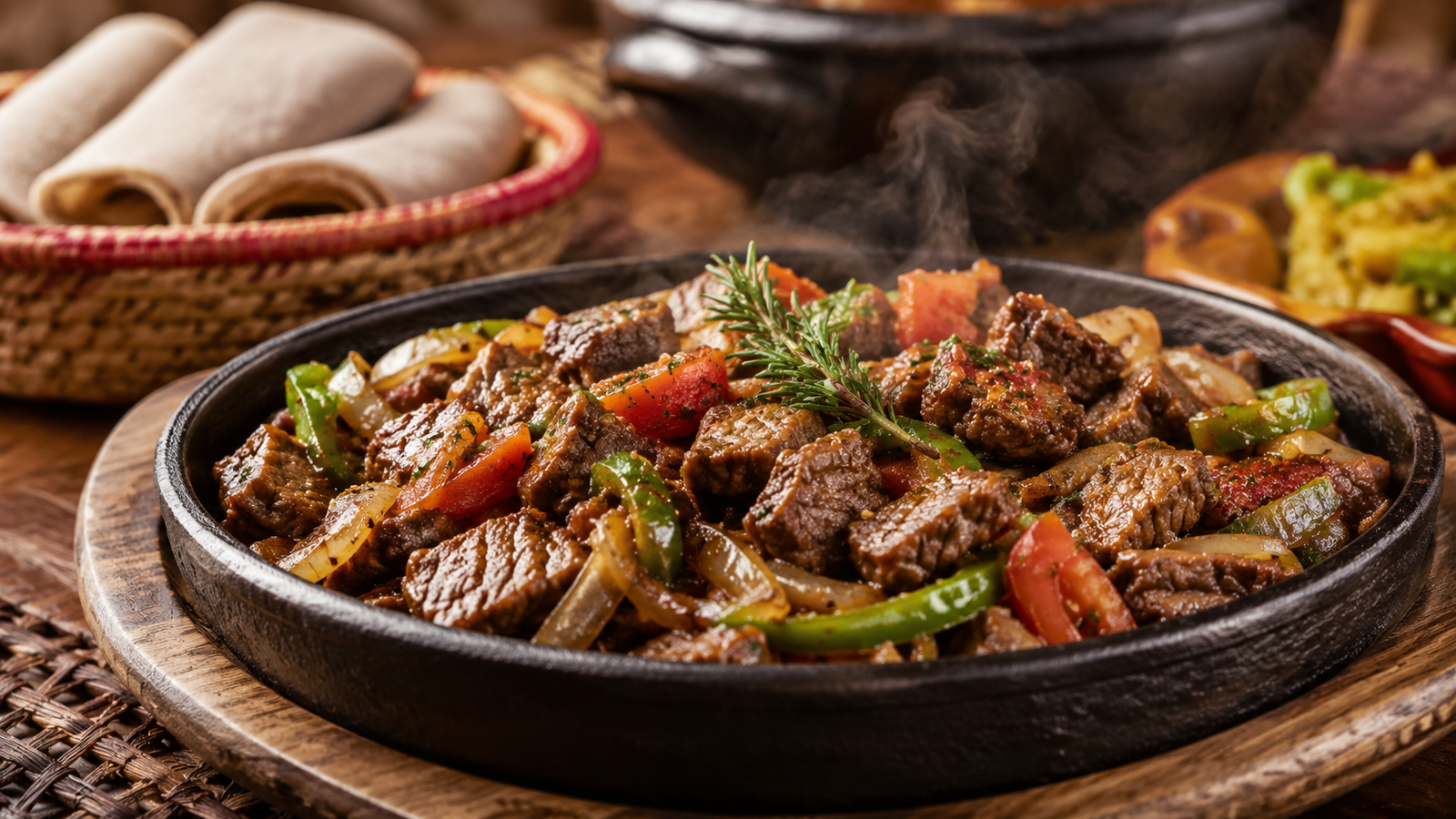
- Tibs — sautéed meat with spices.
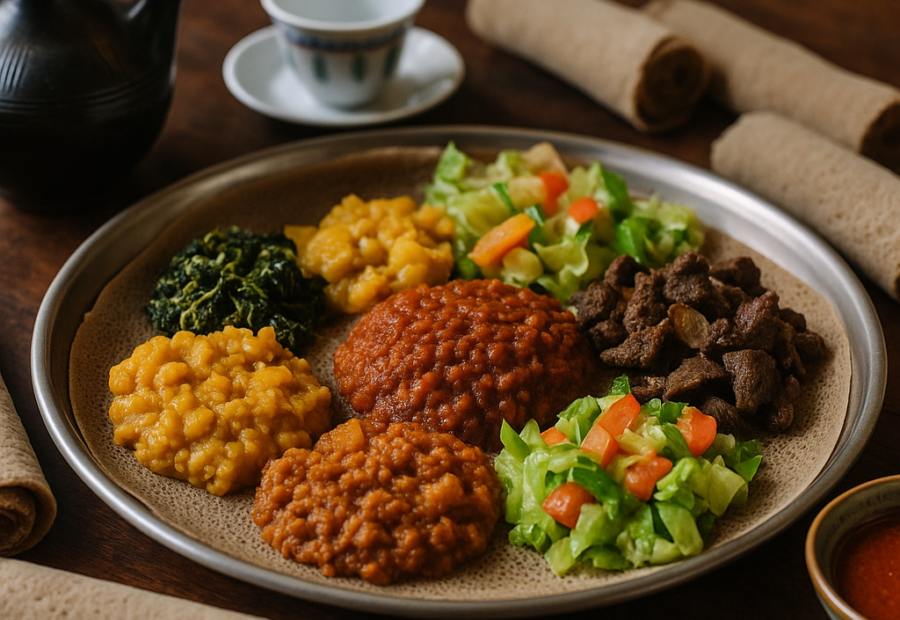
- Vegetarian platter — lentils, greens, vegetables, and sauces.
Frequently asked questions
Is Ethiopian food good for beginners?
Yes. Mixed platters and mild dishes are a good starting point.
Is Ethiopian food spicy?
Some dishes are spicy, but many restaurants offer mild options.
Compare private transfers
Compare private-driver and point-to-point transfer options for your journey.
Are there vegetarian options?
Yes. Many Ethiopian and Eritrean dishes are vegetarian or vegan-friendly.
Is Habesha food good for groups?
Yes. Shared platters make it very suitable for groups and families.
Final thoughts
Understanding Tibs helps visitors appreciate Ethiopian and Eritrean food culture more deeply. It shows that Habesha cuisine is not only about eating, but also about identity, tradition, and hospitality.