
The rich heritage of Habesha culture, which encompasses Ethiopia and Eritrea, is a profound reflection of the region’s history, traditions, and customs. From the ancient kingdoms to modern-day practices, Habesha culture is a unique blend of diverse influences, shaped by its geography and history. This article aims to explore the key aspects of Habesha culture, including its traditions, customs, and historical significance.
In This Guide
- Understanding Habesha Culture
- Traditional Clothing and Attire
- Culinary Traditions
- Religious Practices and Beliefs
- Music and Dance
- Festivals and Celebrations
- Art and Literature
Understanding Habesha Culture
Habesha culture is characterized by its rich historical narrative and cultural practices that date back thousands of years. It is deeply rooted in the ancient civilizations of the region, including the Kingdom of Aksum, which was known for its monumental obelisks and sophisticated trade networks. The term “Habesha” itself refers to the people of Ethiopia and Eritrea, who share linguistic, cultural, and historical ties.
Central to Habesha culture is the use of languages such as Amharic and Tigrinya. These languages not only facilitate communication but also carry the weight of cultural narratives, proverbs, and folklore that have been passed down through generations. The preservation of these languages is crucial in maintaining the identity and heritage of the Habesha people.
Traditional Clothing and Attire
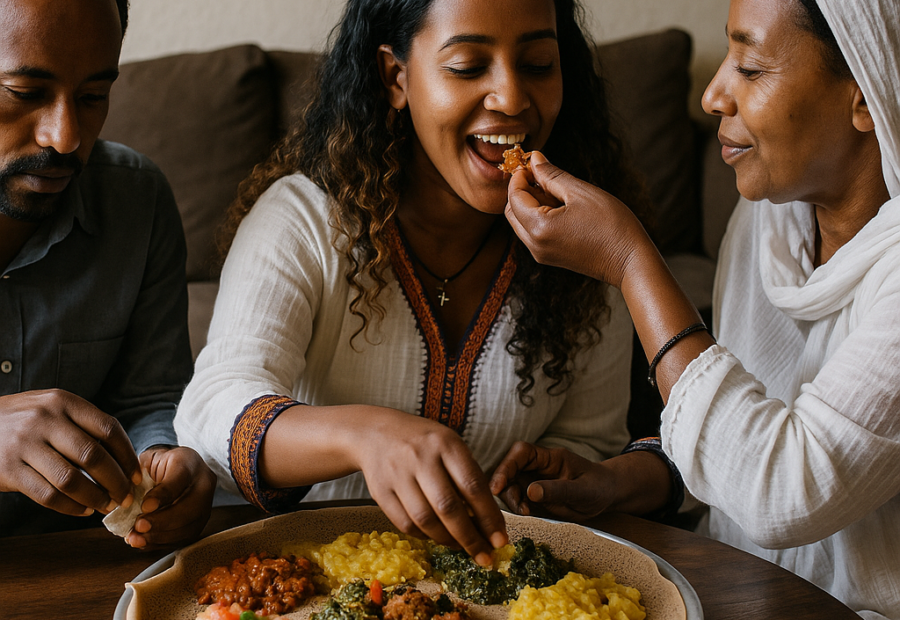
Traditional Habesha clothing beautifully embodies the region’s cultural identity. The most recognizable garment is the “habesha kemis,” a long white dress typically worn by women, often embellished with colorful embroidery. This attire is commonly seen during festivals, weddings, and other significant events, showcasing the beauty of Habesha craftsmanship.
Discover experiences with Klook
Browse tours, day trips, activities and local experiences for your next destination.
Men also have their traditional outfits, often consisting of a “netela,” a lightweight shawl that is worn over a shirt and pants. Both men and women may adorn themselves with intricate jewelry made from silver and gold, which adds to the cultural significance of their attire. Such clothing not only serves a practical purpose but also communicates social status and regional identity.
Culinary Traditions
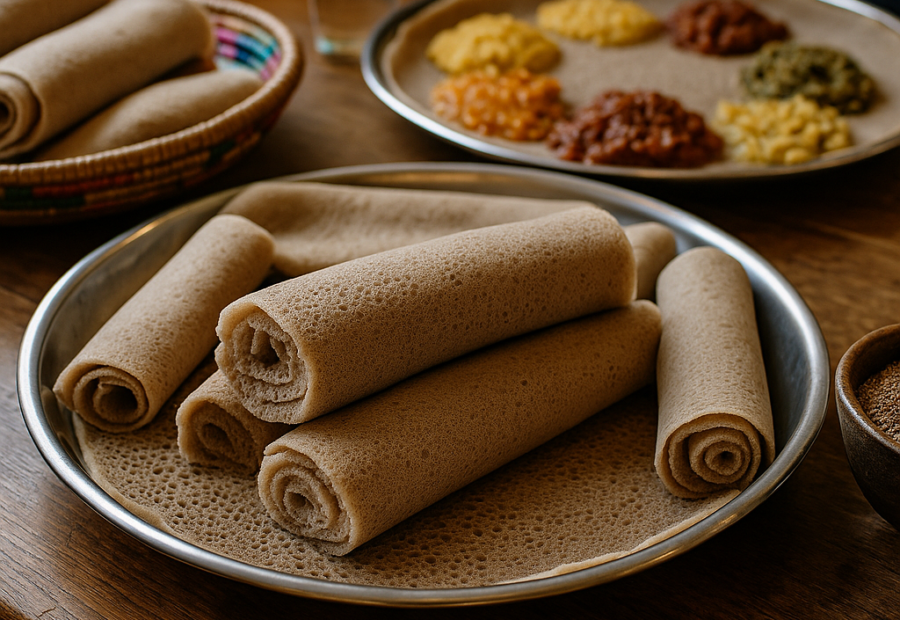
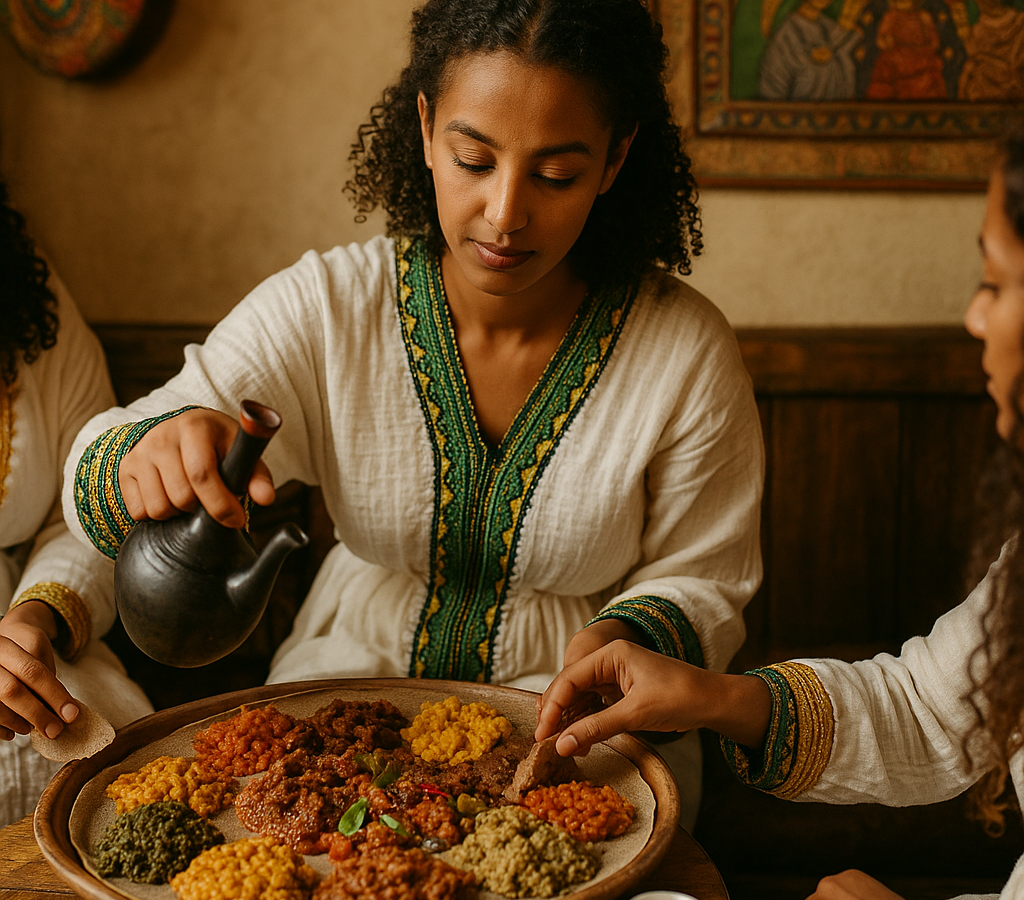
The culinary traditions of Habesha culture are as diverse as its people. One of the most iconic dishes is “injera,” a sourdough flatbread that serves as the foundation for many meals. Injera is typically accompanied by various “wats” (stews) made from lentils, vegetables, and meats, all seasoned with a unique blend of spices known as “berbere.” This communal style of eating fosters a sense of togetherness and is a hallmark of Habesha dining experiences.
In addition to injera, coffee plays a significant role in Habesha culture. The Ethiopian coffee ceremony is a cherished ritual that symbolizes hospitality and friendship. It involves roasting green coffee beans, grinding them, and brewing them in a traditional pot called a “jebena.” This ceremony is often accompanied by the serving of popcorn or other snacks, further enhancing the social atmosphere.
Religious Practices and Beliefs
Religion is a cornerstone of Habesha culture, with the majority of people identifying as Ethiopian Orthodox Christians or Muslims. The Ethiopian Orthodox Church, one of the oldest Christian denominations in the world, has a profound influence on the cultural practices of the region. Religious festivals, such as Timkat (Epiphany) and Meskel (Finding of the True Cross), are celebrated with vibrant processions, music, and traditional dances.
Islam also plays a significant role in Habesha culture, particularly in Eritrea and parts of Ethiopia. The Islamic calendar is observed, and important religious holidays such as Eid al-Fitr and Eid al-Adha are celebrated with communal prayers and feasting. The coexistence of these two major religions highlights the cultural diversity and harmony within Habesha society.
Compare private transfers
Compare private-driver and point-to-point transfer options for your journey.
Music and Dance
Music and dance are integral parts of Habesha culture, reflecting its rich history and traditions. Traditional music often incorporates instruments such as the “krar” (a lyre-like instrument) and the “masenqo” (a one-string fiddle). The rhythms and melodies of Habesha music are often accompanied by dance, which varies by region and occasion. Dancers often perform in groups, showcasing intricate movements that tell stories of love, struggle, and celebration.
Popular music genres, such as Ethio-jazz, have emerged, blending traditional sounds with modern influences. This fusion has garnered international attention, showcasing the adaptability and creativity of Habesha musicians. Through music, cultural narratives are shared, and the sense of community is strengthened.
Festivals and Celebrations
Festivals play a vital role in Habesha culture, serving as occasions for communal gathering and celebration. Major festivals include Enkutatash (Ethiopian New Year), which is celebrated in September, marking the end of the rainy season and the beginning of a new year. The festivities include feasting, dancing, and the exchange of gifts.
Another important celebration is Gena (Ethiopian Christmas), which is celebrated on January 7th. This day is marked by church services, feasting, and traditional games. The vibrant atmosphere of these festivals highlights the joy and resilience of the Habesha people, reinforcing social bonds and cultural identity.
Art and Literature
Habesha culture boasts a rich artistic heritage that encompasses visual arts, literature, and crafts. Traditional art often features religious themes, with intricate paintings and murals adorning churches and monasteries. The use of vibrant colors and symbolic imagery reflects the spiritual beliefs and historical narratives of the region.
Literature, particularly in the form of poetry and storytelling, is a cherished aspect of Habesha culture. Oral traditions have preserved tales of heroism, love, and moral lessons, passed down through generations. Modern writers continue to explore these themes, contributing to a dynamic literary scene that celebrates the complexities of Habesha identity.
Conclusion
The rich heritage of Habesha culture is a testament to the resilience and creativity of its people. From its traditional clothing and culinary delights to its music and festivals, every aspect of Habesha culture tells a story of history, identity, and community. Understanding and appreciating these traditions not only enriches our knowledge but also fosters a greater sense of respect for the diversity of human experience.
For those interested in exploring more about Habesha food and culture, consider visiting our Habesha food and culture guides. Additionally, to enjoy authentic Habesha cuisine, check out our Habesha restaurant directory.