

Restaurant Setup & Management begins well before the first guest walks through the door. A welcoming dining room matters, but a sustainable restaurant also needs a practical budget, an efficient workflow, dependable suppliers, trained people and systems that can survive a busy Friday night.
This guide is written for independent restaurant owners, first-time operators and small hospitality teams. It explains how to decide what to buy, how to organise everyday work and where to invest your attention before spending money on equipment or decorative details. It is a planning guide, not a promise of profit or a substitute for local regulatory advice.
Restaurant Setup & Management — Shop the Essentials
Book museums & attraction tickets
Find museum entry, landmarks and bookable attraction tickets for your trip.
Explore menu presentation, reservations, table signage, guest service and restaurant office supplies in our curated product collection.
1. Define the restaurant you are actually opening
Begin with a clear concept: who you serve, what experience you offer, your menu size, average guest spend, service style and expected opening hours. A 20-seat coffee shop, a takeaway kitchen and a full-service Ethiopian restaurant do not need the same layout or staffing plan. Start by describing a typical guest visit from discovery and reservation to payment and departure.
Write down the five dishes or services that best express the concept. Then identify the equipment, ingredients, skills and space required to deliver them consistently. This simple exercise helps prevent a costly mistake: purchasing attractive equipment that has no role in the actual menu.
The U.S. Small Business Administration’s business-plan guide recommends connecting market analysis, operations, sales strategy and financial projections rather than treating them as unrelated tasks. Its framework is helpful even outside the United States, although local rules and costs will differ.
2. Build a realistic startup budget
Make two budgets instead of one. The first covers opening costs: deposits, fit-out, fixtures, kitchen equipment, licences, initial ingredients, signage and launch marketing. The second covers recurring obligations such as rent, payroll, utilities, cleaning, software subscriptions, insurance and supplier invoices. Keep some cash available for repairs, seasonal slowdowns and unexpected delays; the appropriate amount depends on the business and its financing.
Use three columns for each purchase: essential before opening, needed within the first three months and nice to have later. A reliable refrigerator may be essential; a custom display stand might wait. Request comparable written supplier quotes and check delivery, installation, maintenance and warranty terms rather than considering purchase price alone.
For a simple break-even estimate, calculate fixed costs and contribution margin per order. The SBA explains the relationship as fixed costs ÷ (selling price − variable cost per unit). This is a useful model, but actual restaurant menus involve different margins, changing customer volumes and labour constraints. Use the result as a planning indicator, not a guaranteed sales target. See the SBA startup-cost guidance for the main expense categories.
Need Practical Restaurant Supplies?
See the equipment and guest-facing essentials mentioned in this guide, then compare products before buying.
3. Design the workflow before buying furniture
Sketch the guest journey and the staff journey on the same floor plan. Guests should be able to enter, find their table, order, reach facilities and pay without unnecessary confusion. Staff should move safely between delivery storage, preparation, cooking, service and dishwashing. Long crossings between dirty and clean areas create avoidable friction.
Ask practical questions while walking through your plan: Where will delivery drivers wait? Where will used dishes collect during peak hours? Can a server reach menus, napkins and payment devices without blocking another team member? Can customers with accessibility needs comfortably use the space? Review your design with qualified local specialists before modifying plumbing, ventilation, fire protection or food-preparation areas.
4. Choose the essential equipment first
Match each purchase to a process and a responsible employee. Commercial refrigeration, cooking appliances, prep surfaces, storage containers and washing facilities should be selected according to menu demand, available utilities, cleaning needs and local requirements. Compare capacity, dimensions, installation requirements, energy use, service availability and replacement parts.
For front-of-house essentials, consider durable menu covers, clear table numbers, reservation books, bill presenters and countertop signs. Their purpose is not simply decoration: guests need to understand where to sit, what is available and how to receive help. You can browse relevant examples in the Restaurant Setup & Management collection at Habesha Studio. Treat the collection as a starting point for comparing formats, not as an independent product-testing verdict.
5. Make the menu manageable
A large menu can look impressive, but it can also multiply ingredients, prep tasks and training requirements. Test every dish against four questions: Is it distinctive? Can the team execute it consistently? Are its ingredients dependable? Does its selling price leave enough contribution to support the business?
Keep an up-to-date recipe card for each core item. Record portion sizes, ingredient substitutions, allergen information, preparation sequence and presentation. When the recipe changes, update staff instructions and menu wording together. Do not describe a dish as suitable for an allergy or dietary restriction without verifying ingredients and the risk of cross-contact.
6. Set up reservations and guest flow
Even a small restaurant benefits from a clear seating system. Decide who accepts reservations, what information is needed, how long tables are typically occupied and what happens when guests arrive early or late. A paper reservation book can suit a low-volume venue; a digital system may offer advantages when multiple staff members coordinate bookings and seating.
Choose tools according to your service rather than popularity. Ask whether they support the languages your guests speak, how staff handle walk-ins and what happens if internet access fails. Keep a consistent approach to guest contact details and privacy rules. If using printed table signs and guest-facing supplies, place them where they improve communication rather than cluttering the dining room.
7. Create opening and closing routines
Good restaurant management is often visible in ordinary habits. Build checklists that staff can actually finish: opening checks for cleanliness, equipment, temperature controls and supplies; service checks for stocked stations and clean menus; closing checks for food storage, waste, cash reconciliation and maintenance issues. Assign a named role to each task and keep a record of exceptions that require action.
Review these routines with your staff after the first week. If a checklist repeatedly fails, investigate whether the process is unrealistic, the equipment is poorly placed or training is missing. The purpose is a reliable shift, not paperwork for its own sake.
8. Treat food safety as an operating system
Food safety requirements differ by jurisdiction. Your restaurant needs to follow the laws and inspection requirements of the place where it operates. In the United States, the FDA Food Code provides a model framework for retail food safety; it is not a universal licence or a replacement for state and local rules. The FDA Food Code resource is a useful reference for understanding the regulatory approach.
Translate the applicable requirements into training, cleaning schedules, safe storage procedures and documented checks. Keep maintenance records for refrigeration and washing equipment. Where the team is multilingual, use clear instructions that staff genuinely understand rather than assuming that a signed training sheet guarantees comprehension.
9. Control stock without over-ordering
Inventory is working capital sitting on shelves. Too little stock disrupts service; too much creates spoilage, clutter and cash pressure. Group your inventory into high-risk perishables, regular ingredients, beverages, cleaning supplies and slow-moving items. Give each item a clear unit of measurement and a practical reorder trigger.
Start with a short weekly review of the most important items. Compare deliveries, counted stock, sales and waste, then investigate unusual changes. The National Restaurant Association’s inventory-management guidance identifies waste tracking, ingredient-level costing and reorder reporting as useful capabilities. Software can help, but consistent recording matters before automation.
10. Train for the experience you want guests to remember
A thoughtful guest experience does not require luxury fixtures. It requires an attentive welcome, accurate orders, clean tables and honest communication when something goes wrong. Train new staff with actual service scenarios: an allergy question, a delayed main course, a large walk-in group and a guest who needs the bill quickly.
For Ethiopian and Eritrean restaurants, explain unfamiliar dishes clearly without reducing the cuisine to stereotypes. Guests may appreciate guidance about sharing platters, injera and spice levels; experienced diners may prefer a concise menu with regional specificity. Let the restaurant’s own expertise and authentic food traditions lead the explanation.
11. Choose technology by problem, not trend
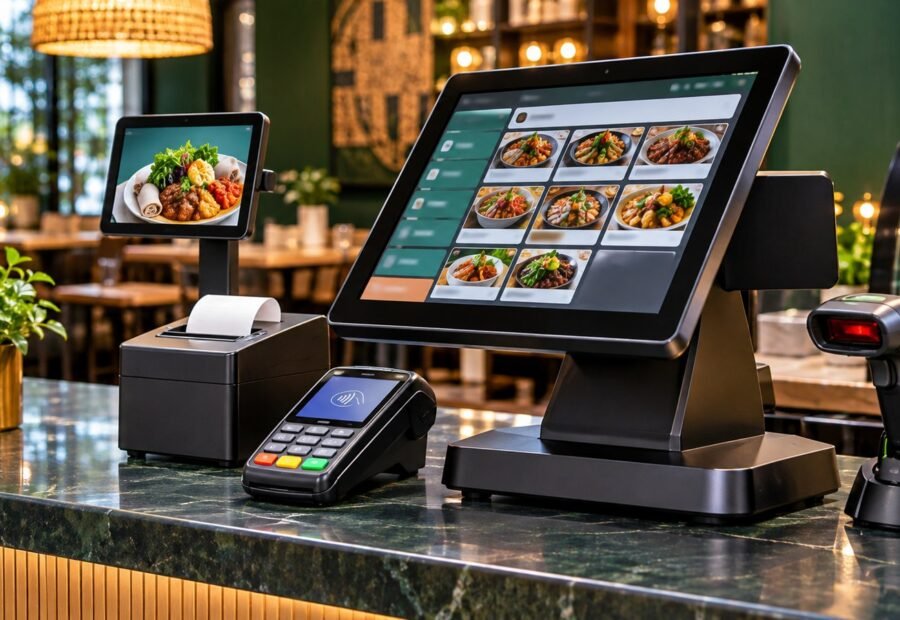
Point-of-sale systems, online menus, reservation platforms and reporting dashboards can be useful, but each introduces costs, training needs and dependencies. Before subscribing, write the problem in one sentence. For example: “We frequently lose track of telephone bookings during dinner service.” Then compare tools according to whether they solve that problem, their total cost and their integration with existing workflows.
Ask vendors about contract length, data export, payment processing, support hours and whether the system remains usable during an internet outage. A simple and reliable setup is often more valuable than several disconnected subscriptions.
12. Review the numbers that guide decisions
Choose a manageable weekly dashboard: sales, guest count, average transaction value, labour hours, key food costs, waste and recurring guest feedback. Analyse trends over multiple weeks rather than reacting to a single busy evening. Separate sales growth from profitability; increased revenue can coexist with higher expenses.
Cost pressure remains a real consideration for operators. The National Restaurant Association’s 2026 analysis discusses elevated operating expenses and the need to improve efficiency. Those industry observations are context, not financial benchmarks that every individual restaurant should copy.
13. A practical 30-day setup checklist
- Days 1–7: Validate the concept, customer profile, menu priorities and preliminary budget. Identify licensing and professional advice needed locally.
- Days 8–14: Map workflows, compare essential equipment, request quotes and draft your operating checklists.
- Days 15–21: Test recipes, ordering and receiving procedures, reservations, service training and recordkeeping.
- Days 22–30: Run a supervised rehearsal, document failures, adjust station layouts and confirm readiness with the appropriate local specialists.
The sequence is illustrative. A real restaurant opening may take substantially longer because of permits, construction, recruitment and inspection schedules.
Frequently asked questions
What equipment should a small restaurant buy first?
Prioritise the equipment required to prepare and store your actual menu safely, plus essential cleaning and guest-service tools. Validate installation requirements and local food-safety obligations before buying.
Is a digital reservation system necessary?
Not always. A simple paper system can work at low volumes. Digital tools may help when booking volume, channel complexity or staff coordination makes manual tracking unreliable.
How can I reduce restaurant setup costs?
Separate essentials from upgrades, compare total ownership costs, confirm dimensions before purchasing and avoid overbuilding the menu. Do not save money by bypassing safety requirements or choosing equipment that cannot be serviced.
Where can I find restaurant presentation and management supplies?
Explore the Restaurant Setup & Management shopping page for menu presentation, reservation and guest-service product categories. Compare specifications and suitability with your own operational needs before purchasing.
Final thoughts
The best restaurant setup is not necessarily the most expensive one. It is the setup that allows a team to deliver a clear promise consistently: good food, smooth service and dependable operations. Start with the guest experience, map the work behind it, purchase deliberately and refine the system with evidence from real service.
Explore supplies: Visit Restaurant Setup & Management at Habesha Studio for category-specific product browsing.
Editorial and affiliate note: This guide is AI-assisted and prepared for editorial review before publication. Product links from Habesha Studio may be affiliate links. Product selection should be independently verified; no hands-on testing is claimed.
Ready to Equip Your Restaurant?
Visit the Restaurant Setup & Management shopping page to browse all product sections and find the right supplies for your business.