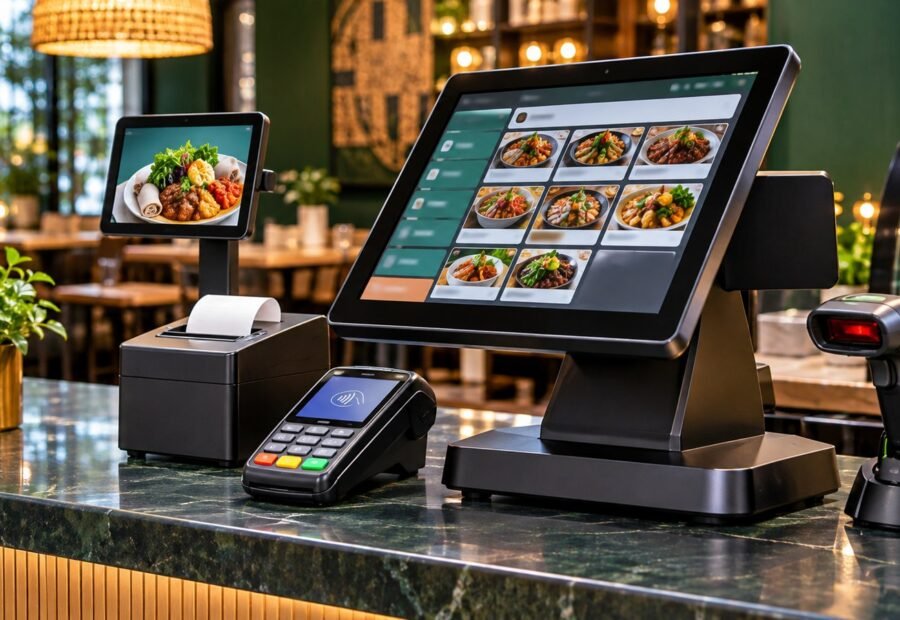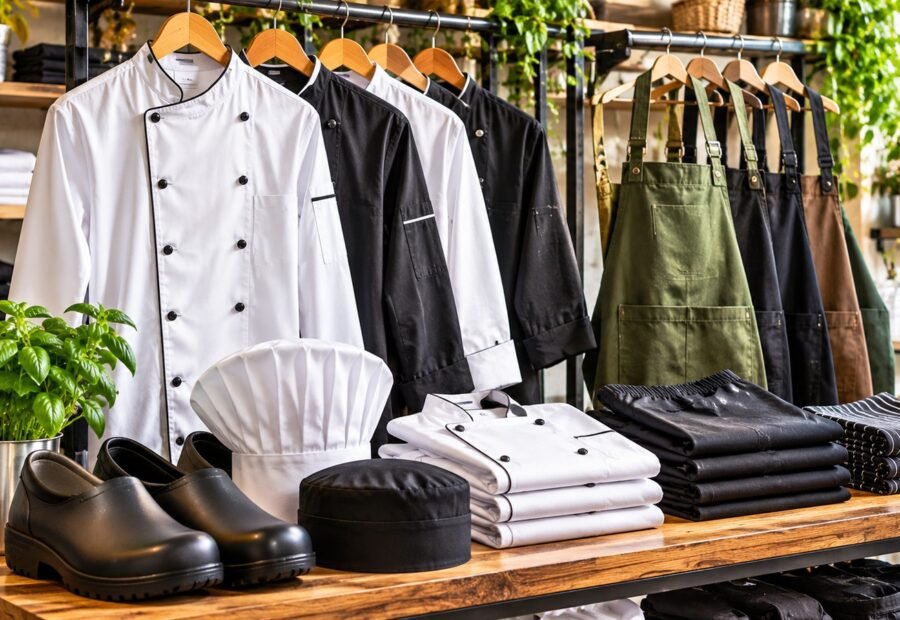

Commercial Kitchen Equipment should follow the food you prepare, the quantities you serve and the space you actually have—not the appearance of a professional showroom. This guide is for restaurant operators, caterers, cafés and ambitious home cooks deciding when a more capable machine is truly worthwhile.

Start with a production map
Write down five tasks: receive ingredients, store them, prepare them, cook them, and clean up afterwards. Position the relevant equipment in the order the work happens. This reveals whether you need a dedicated prep table, extra refrigeration or another cooking appliance more urgently than a larger oven.
For a home kitchen, measure the same things on a smaller scale. A large commercial mixer may use valuable counter space and require specialized power or cleaning. Sometimes an appropriately sized domestic model is the more sensible purchase.
EKTA
Explore a useful travel service from one of our selected partners.
- Menu and volume: what is cooked, how many portions and how frequently?
- Footprint: door clearance, aisle access, ventilation and maintenance access
- Utilities: electrical supply, gas availability, plumbing and drainage
- Operations: cleaning time, compatible accessories, repairs and service support
Cooking ranges and ovens
Compare cooking capacity rather than counting burners alone. A range may be powerful but unsuitable for your pans, available electrical supply or extraction system. For ovens, look at interior dimensions, temperature control, recovery time, cleaning access and whether the appliance can handle your usual batch size.
Commercial cooking appliances can require professional installation, ventilation, fire protection or other local approvals. Verify the manufacturer’s instructions and local requirements before purchasing or installing them.
Food preparation equipment
Mixers, slicers and processors can save preparation time when used repeatedly, but they also add cleaning and safety responsibilities. Check bowl or container capacity, duty cycle, spare parts and safe disassembly. A simple manual cutter may work better for occasional tasks than an oversized electric unit.
Staff training matters. Guards, emergency stops and cleaning procedures must be understood by everyone who uses the equipment. A fast machine is not a good investment if it is difficult to clean properly between food tasks.
Explore Commercial Kitchen Equipment
Browse ranges, preparation machines, fryers, refrigeration, stainless workstations and dishwashing equipment.
Grills, fryers and hot holding
Think separately about cooking and holding. Cooking equipment produces food at the required temperature; holding equipment maintains prepared food under appropriate conditions. Do not assume a warming display can cook food safely, or that every fryer is suitable for continuous commercial operation.
Consider oil handling, ventilation, access for safe cleaning, the availability of thermometers and the ability to avoid cross-contact between ingredients. Product suitability and safe processes should be checked against local food-safety rules.
Refrigeration, cold storage and stainless workstations
Measure usable internal volume, not only external dimensions. Check door swing, shelving, maintenance access, room temperature assumptions and how frequently staff open the unit. A large fridge with poor loading practices may still cause service problems.
Choose preparation surfaces that can be cleaned and maintained. Stainless steel is common in professional kitchens because it can be durable and easy to clean when correctly fabricated and cared for. Verify joints, edges and load ratings rather than judging by surface finish alone.
Dishwashing, cleaning and operating cost
Cleaning capacity needs to match the volume of dishes and equipment generated during peak service. Compare cycle times, water and energy use, chemical compatibility, drying space, maintenance and staff workflow.
The FDA Food Code is a useful US reference on cleanable food-contact surfaces and sanitation, but local regulations and actual equipment instructions govern your operation. For commercial purchases, compare documented efficiency information where available rather than assuming the highest-wattage machine is always better.
A purchase worksheet before ordering
For each expensive machine, record the model, intended use, dimensions, electrical requirements, warranty, consumables, maintenance schedule, service availability and total expected cost. Ask the seller whether the device is listed or approved for the intended commercial use in your area.
If several machines do a similar job, run a simple capacity comparison using your actual portions per hour. The goal is to identify the least complicated equipment that reliably supports your menu and staffing.
- Confirm the exact model and commercial-use suitability
- Measure delivery route, installation space and required clearances
- Check utilities, ventilation and local approval requirements
- Compare warranty, replacement parts and professional servicing
- Verify return terms and supplier support before paying
Commercial kitchen equipment FAQs
Can commercial equipment be used at home?
Sometimes, but only where power, space, ventilation, safety, manufacturer instructions and local rules permit it. Commercial labeling does not mean a product is automatically appropriate for domestic installation.
Should I buy a larger machine to prepare for growth?
Not automatically. Extra capacity is valuable only when it addresses a likely operational need and its installation, cleaning and maintenance costs remain manageable.
What is the most important comparison factor?
Match capacity and intended use to the actual workflow, then check compliance, serviceability and full ownership costs.
Further reading
Related shopping collections
Match the next purchase to the task rather than buying duplicate tools. These related Habesha Studio departments cover different needs:
Affiliate disclosure: As an Amazon Associate I earn from qualifying purchases. This guide provides buying criteria, not independent hands-on product testing. Always verify current specifications, prices, local suitability and delivery terms with the seller.