
Habesha traditions are a rich blend of customs and practices that reflect the diverse cultures of Ethiopia and Eritrea. These traditions encompass various aspects of life, including art, music, dance, food, and social practices. Understanding these elements provides insight into the lives of the Habesha people and their enduring heritage. This guide aims to explore the various facets of Habesha traditions, celebrating the unique cultural identity they represent.
In This Guide
- Cultural Heritage
- Music and Dance
- Traditional Foods
- Festivals and Holidays
- Language and Communication
- Family Structure
- Modern Influences
Cultural Heritage
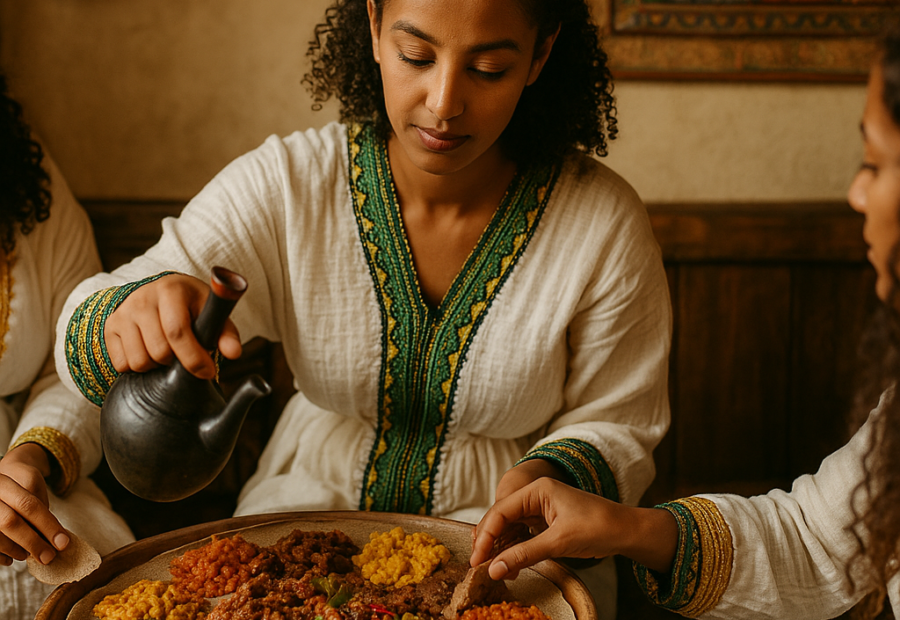
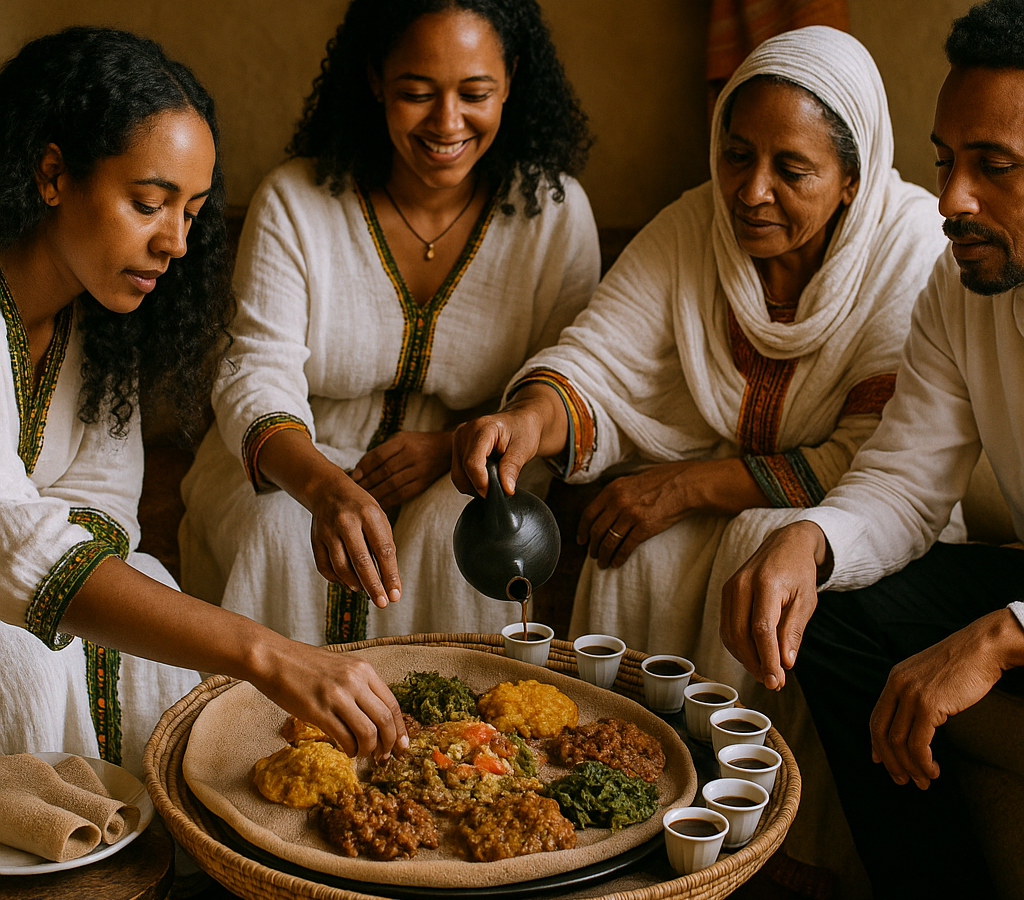
The cultural heritage of the Habesha people is deeply rooted in their history and geography. Ethiopia is known as one of the oldest nations in the world, with a history that dates back thousands of years. Eritrea, too, has a rich historical tapestry influenced by various civilizations. Key elements of Habesha traditions include their unique clothing, such as the traditional white cotton garment known as the “habesha kemis” for women and “netela” for men. These garments are often adorned with colorful patterns, symbolizing regional identities.
Moreover, the use of intricate jewelry is common among Habesha women, often passed down through generations. This jewelry not only enhances beauty but also signifies social status and cultural identity. The preservation of these traditional clothing and jewelry styles plays a crucial role in maintaining the Habesha cultural identity.
Music and Dance
Music and dance are integral to Habesha traditions, serving as a means of storytelling, celebration, and community bonding. Traditional Ethiopian music features a variety of instruments, including the “krar” (a lyre) and the “masenqo” (a single-stringed fiddle). In Eritrea, the “bihari” and “kebero” drums are commonly used in performances, reflecting the vibrant rhythms of the region.
Dances such as the “eskista” (a shoulder dance) are performed at weddings and festivals, showcasing the dancers’ agility and grace. These performances often involve elaborate costumes and are accompanied by traditional songs that celebrate love, community, and heritage. Through music and dance, Habesha people express their emotions and connect with their ancestry.
Traditional Foods
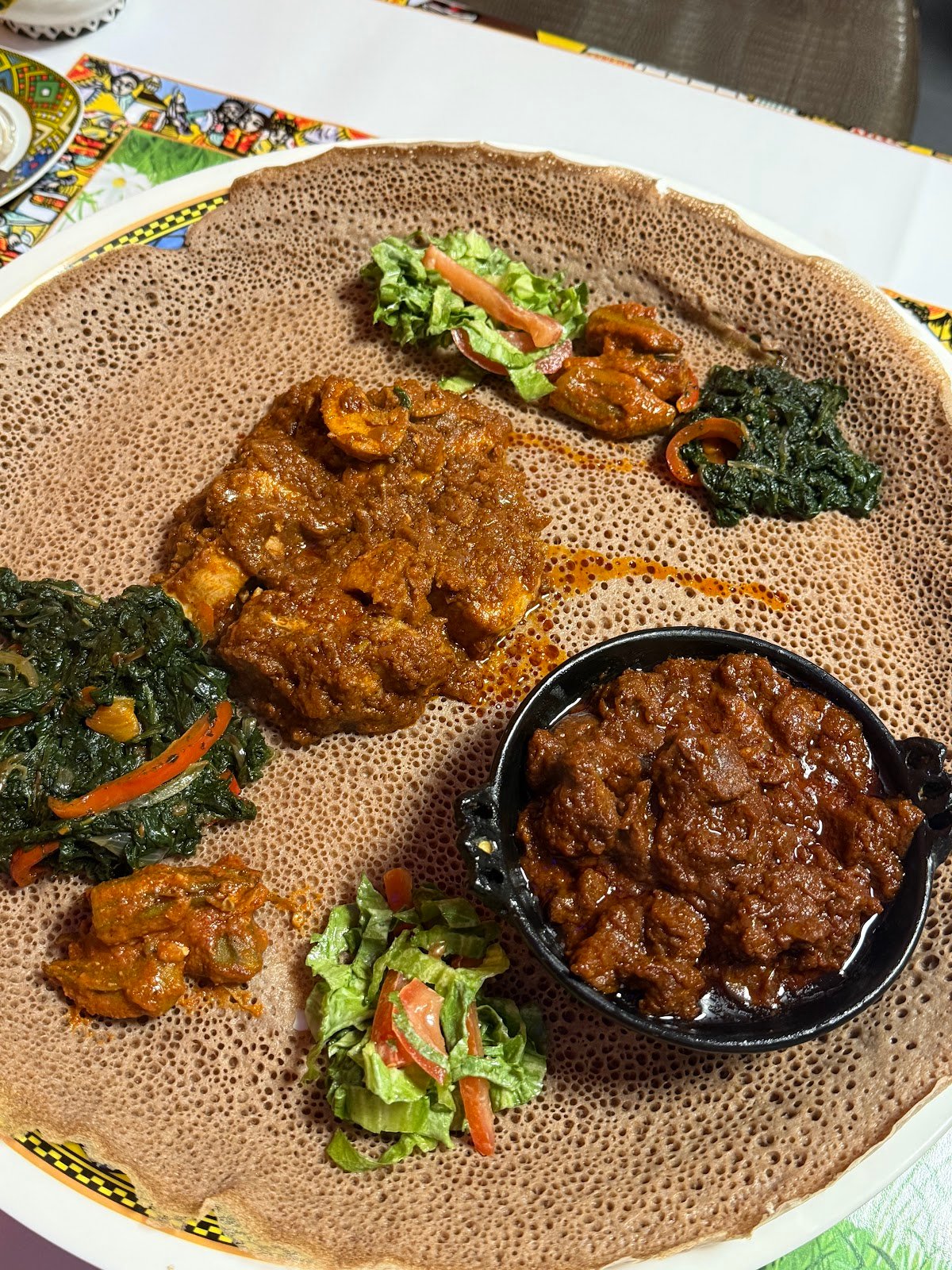
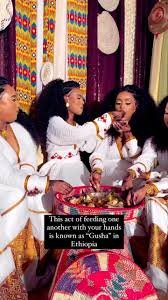
Food is central to Habesha traditions, with meals often served communally on a large platter called “genfo.” The staple food is “injera,” a sourdough flatbread made from teff flour, which serves as both a dish and a utensil. Various stews, known as “wot,” are placed on top of the injera, made from lentils, vegetables, or meat, seasoned with spices unique to the region.
Alongside injera, other traditional foods include “kitfo” (minced raw meat) and “doro wat” (spicy chicken stew), both cherished in various celebrations and gatherings. The preparation of these dishes often involves family collaboration, reinforcing community bonds. To explore more about Habesha cuisine, consider visiting our Habesha food and culture guides.
Festivals and Holidays
Habesha traditions are marked by numerous festivals and holidays that showcase cultural practices and beliefs. One of the most significant celebrations is “Enkutatash,” the Ethiopian New Year, which occurs in September. This event is characterized by festive music, dance, and the sharing of traditional foods. Families come together to celebrate the new year and reflect on the past.
Another important holiday is “Meskel,” which commemorates the discovery of the True Cross. It involves large bonfires and vibrant processions, where people gather to sing and dance. These festivals not only mark important religious events but also serve as a means for families and communities to come together, reinforcing social ties.
Language and Communication
The languages spoken by the Habesha people—primarily Amharic in Ethiopia and Tigrinya in Eritrea—are vital components of their cultural identity. Language is a powerful tool for preserving traditions, as many songs, stories, and proverbs are passed down orally. The use of proverbs, in particular, is a common way to convey wisdom and moral lessons.
Communication within Habesha culture also extends to body language and gestures, which hold specific meanings. For instance, the practice of greeting with a handshake, often accompanied by a slight bow, reflects respect and acknowledgment. Understanding these linguistic nuances enhances appreciation for Habesha traditions and their cultural significance.
Family Structure
The family unit is fundamental in Habesha society, often characterized by strong ties and communal living. Families typically include extended relatives, reinforcing support systems and shared responsibilities. Elders are revered and play a critical role in decision-making and imparting wisdom to younger generations.
In many Habesha communities, marriages are arranged, reflecting the importance placed on familial alliances and social status. The wedding ceremony is a significant event, characterized by traditional rituals that emphasize the union of two families. This focus on family ensures that Habesha traditions are preserved and passed down through generations.
Modern Influences
While Habesha traditions remain strong, modern influences have begun to shape aspects of life in Ethiopia and Eritrea. Urbanization, globalization, and technological advancements have introduced new ideas and practices. However, many Habesha people strive to maintain their cultural identity amidst these changes.
Social media, for instance, has become a platform for sharing Habesha culture, with artists and musicians gaining popularity both locally and internationally. This fusion of traditional and modern elements allows for a dynamic cultural expression, ensuring that Habesha traditions continue to evolve while still honoring their roots.
Frequently Asked Questions
What are some common Habesha traditions?
Common Habesha traditions include communal meals, traditional music and dance, and various festivals such as Enkutatash and Meskel, which celebrate significant cultural and religious events.
How is food prepared in Habesha culture?
Food in Habesha culture is often prepared collaboratively, with family members contributing to the cooking process. Meals are typically served on a communal platter, encouraging sharing and togetherness.
What role does music play in Habesha traditions?
Music is essential in Habesha traditions, used for storytelling, celebrations, and rituals. Traditional instruments and dance forms reflect the cultural heritage and are an integral part of community events.
How do modern influences affect Habesha culture?
Modern influences, such as globalization and technology, have introduced new practices while still allowing traditional customs to thrive. Social media has become a tool for promoting and preserving Habesha culture.
By exploring Habesha traditions, one gains a deeper appreciation for the rich cultural landscape of Ethiopia and Eritrea. Each aspect, from food to music, tells a story of resilience and identity that continues to thrive through generations. For those interested in experiencing Habesha cuisine, consider visiting our Habesha restaurant directory.