
Ethiopian Coffee Ceremony in Seattle
Discover Ethiopian coffee ceremony culture in Seattle, including traditional coffee preparation, Habesha hospitality, and restaurants where visitors can enjoy a cultural dining experience.
What is an Ethiopian coffee ceremony?
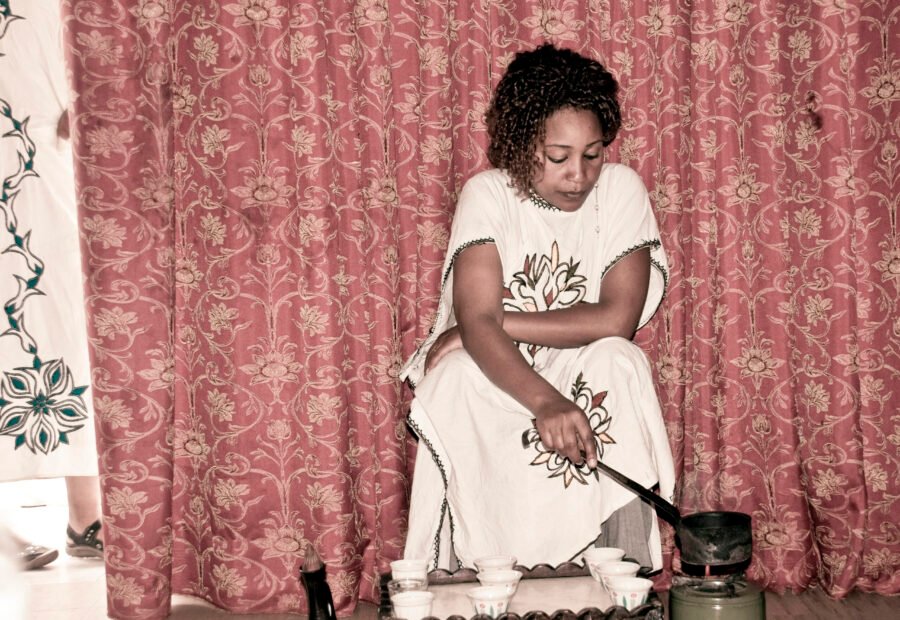
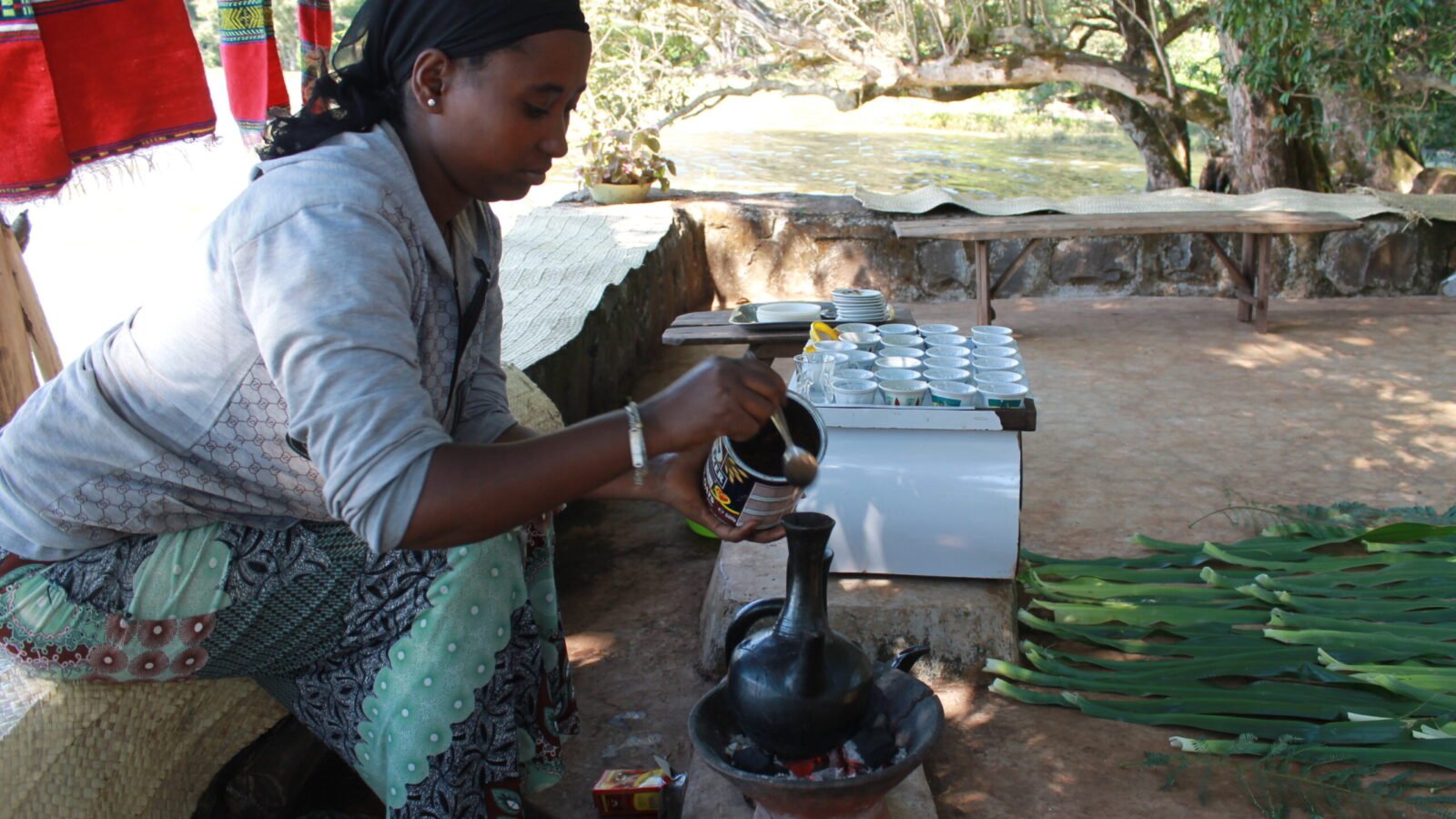
The Ethiopian coffee ceremony is more than drinking coffee. It is a social and cultural ritual connected to hospitality, conversation, respect, and time together. Traditionally, coffee beans are roasted, ground, brewed, and served in a careful process that creates a warm atmosphere.
For many guests, the ceremony is one of the most memorable parts of visiting an Ethiopian or Eritrean restaurant.
Restaurants to explore in Seattle
Below you can browse Ethiopian and Eritrean restaurant listings in Seattle. Open each profile to check details and contact the restaurant directly about coffee ceremony availability.
 #1★ 5.0 (36)
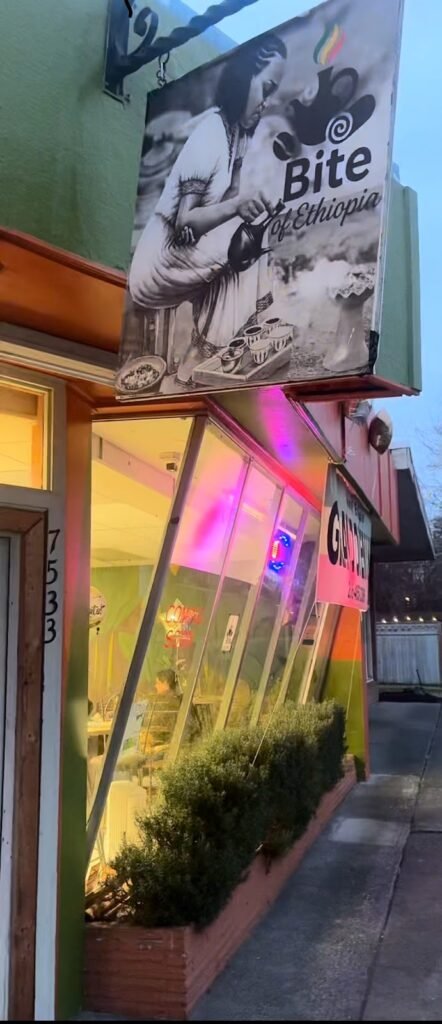
Bite of Ethiopia
 #2★ 5.0 (17)
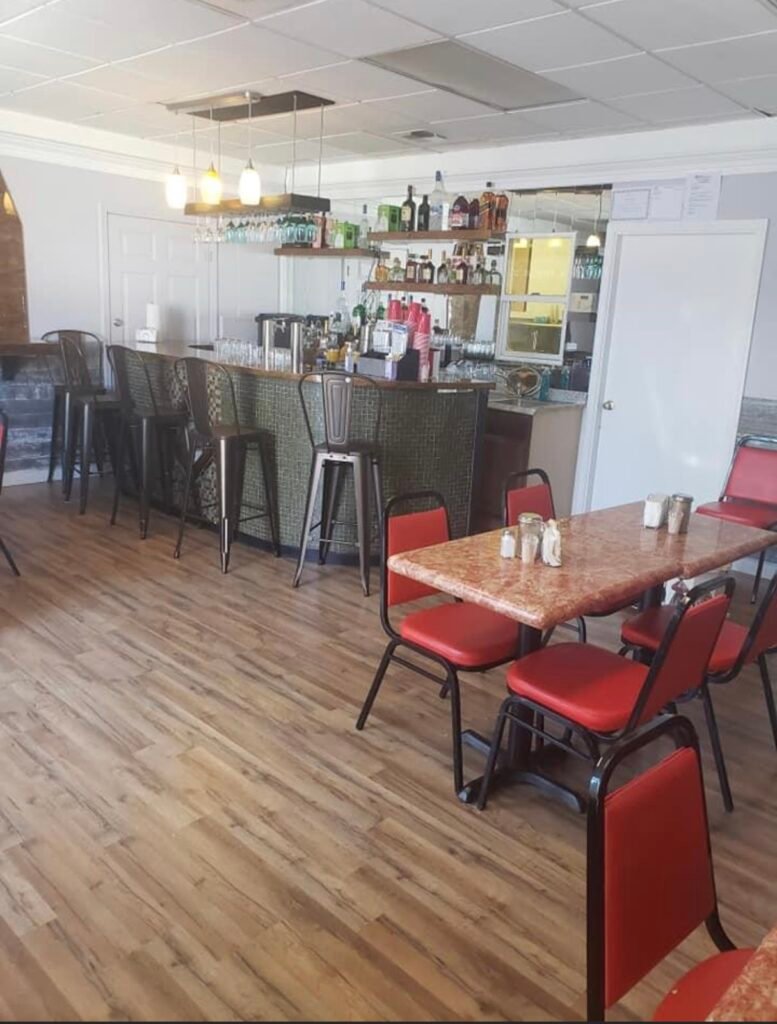
Central Ethiopian Bar and Restaurant
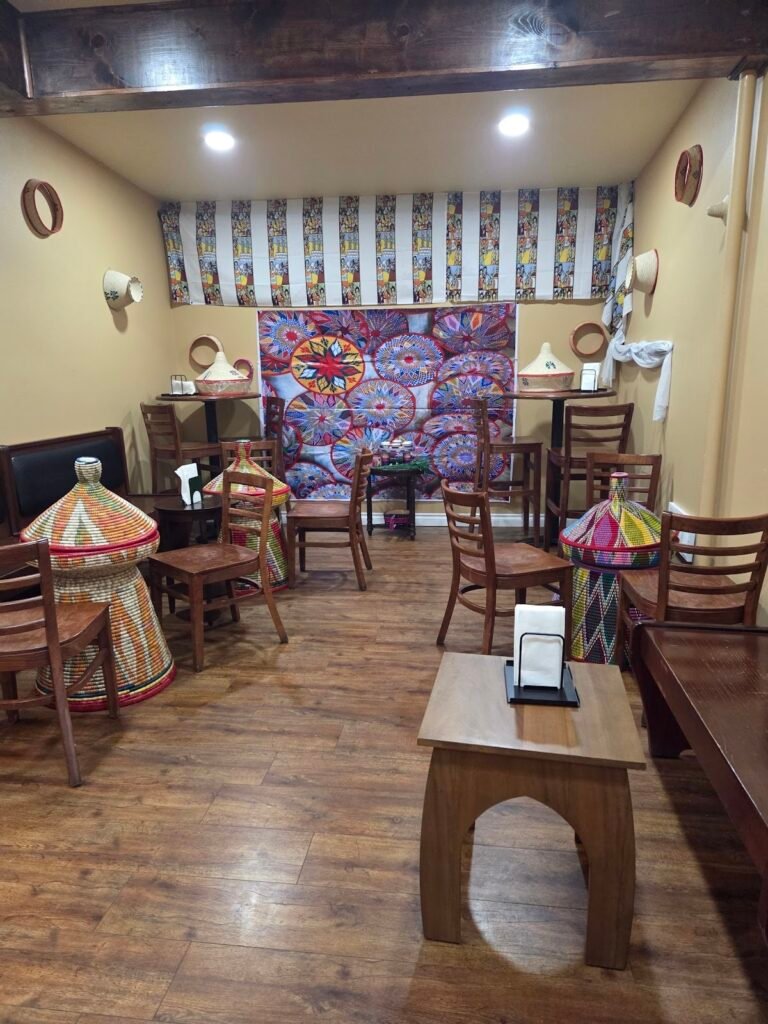 #3★ 4.9 (174)
Tina’s Kitfo, Restaurant & Coffee Shop
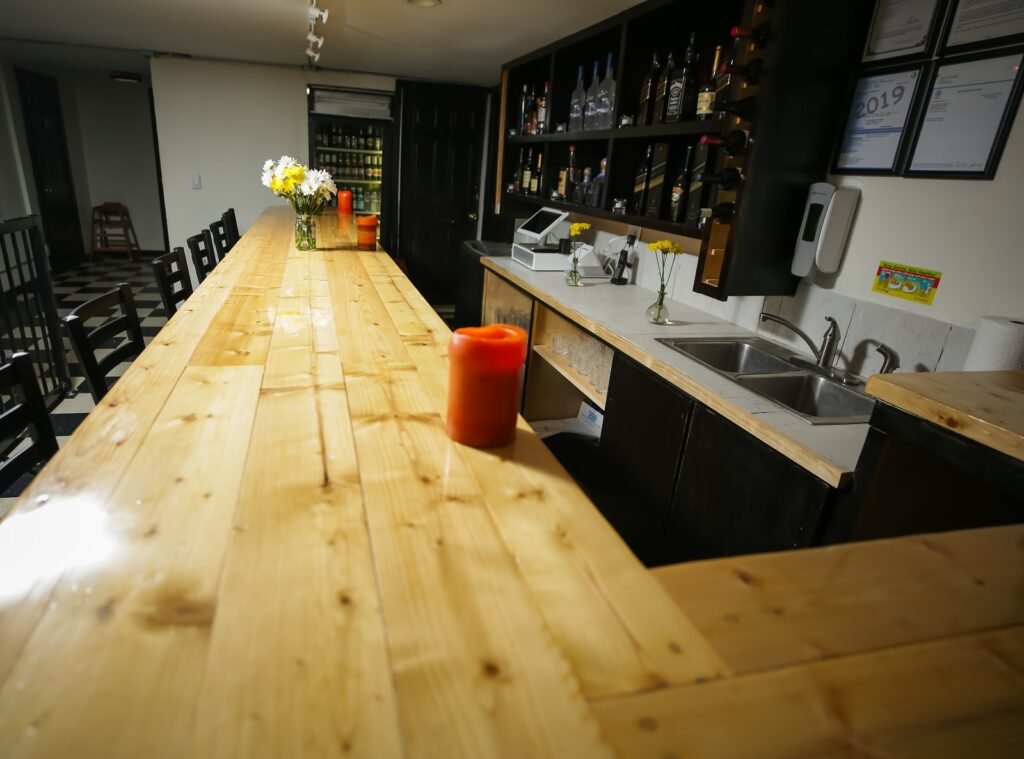 #4★ 4.8 (1109)
Delish Ethiopian Cuisine
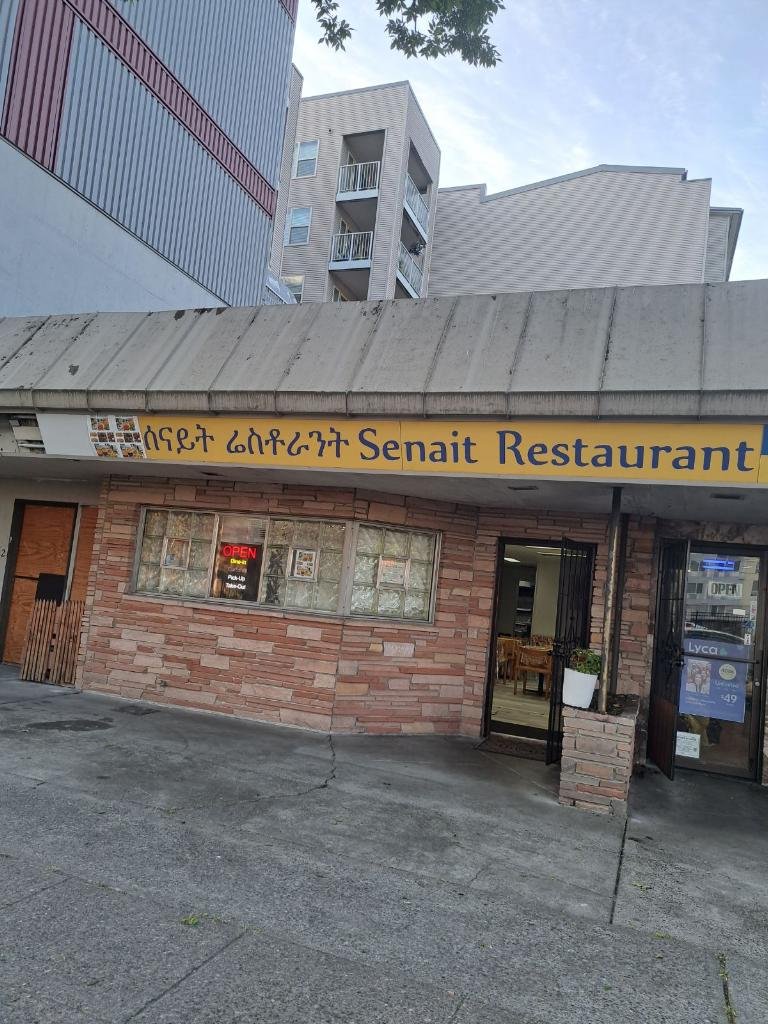 #5★ 4.7 (114)
Senait Restaurant Ethiopian Cuisine
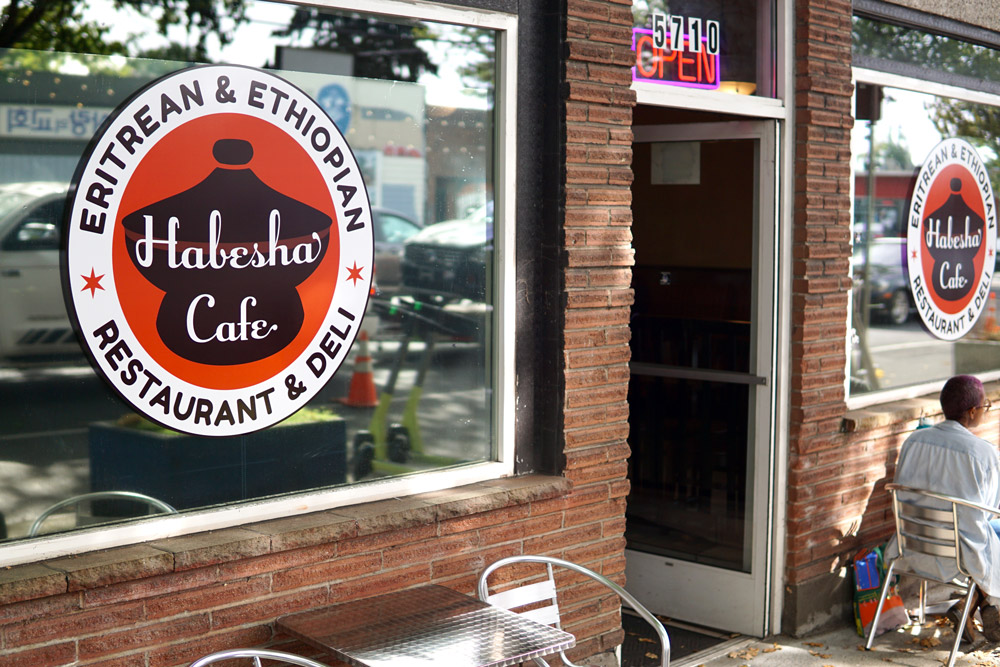 #6★ 4.7 (342)
Habesha Cafe
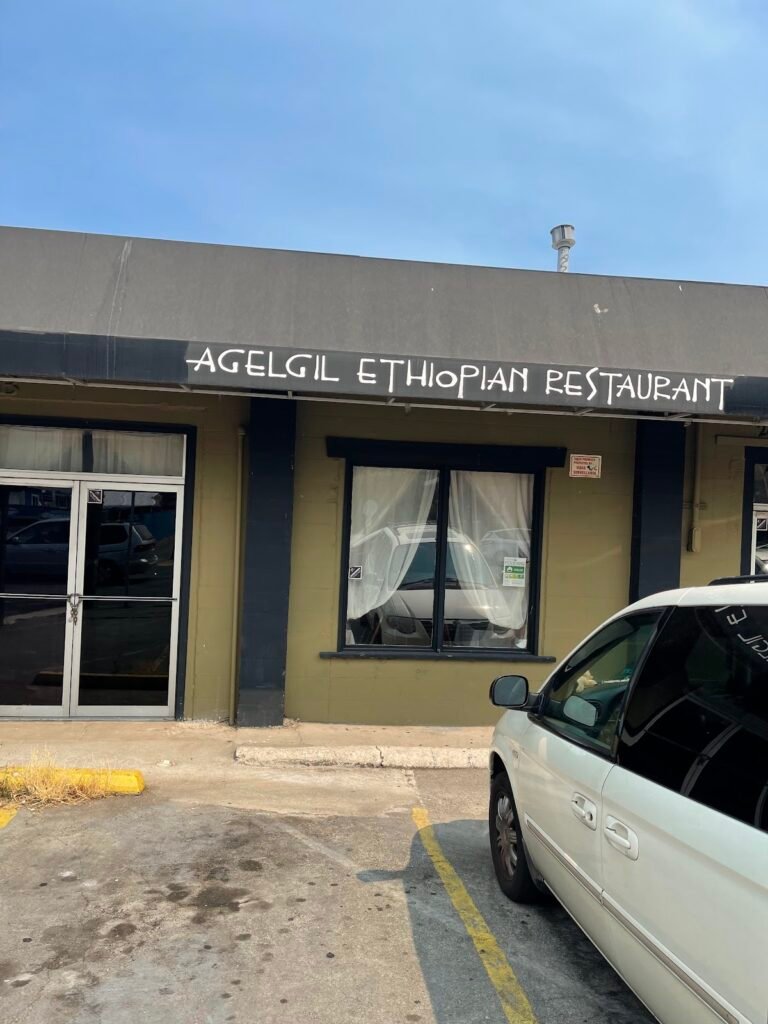 #7★ 4.6 (534)
Agelgil Ethiopian Restaurant Seattle
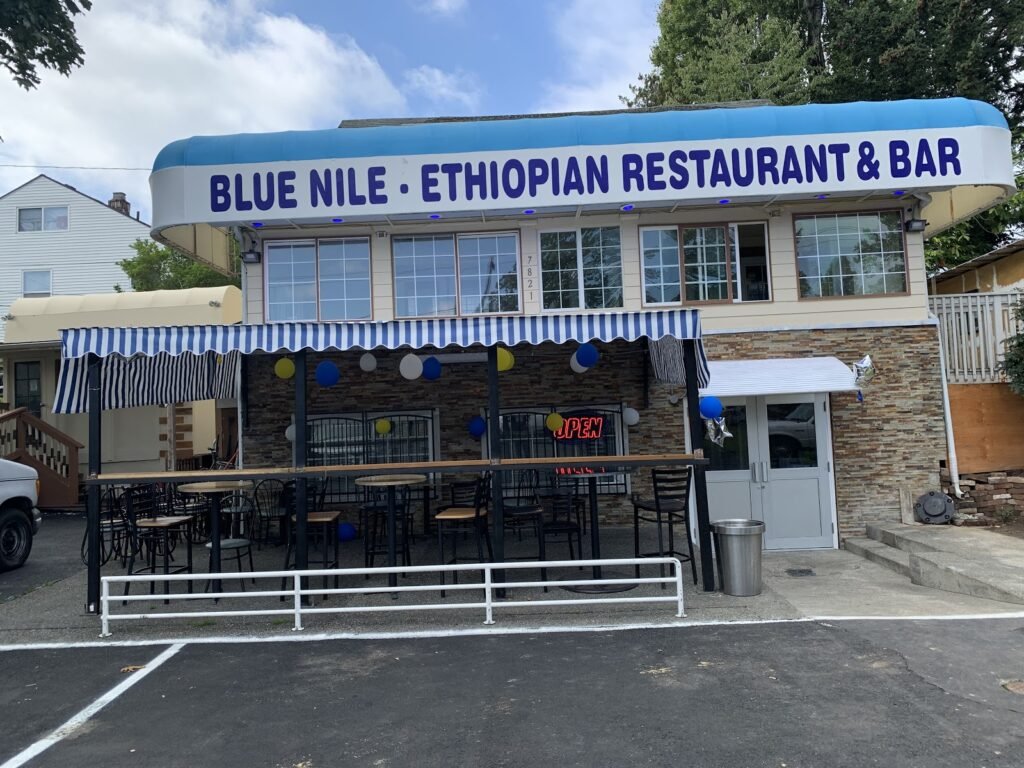 #8★ 4.6 (712)
Blue Nile Ethiopian Restaurant
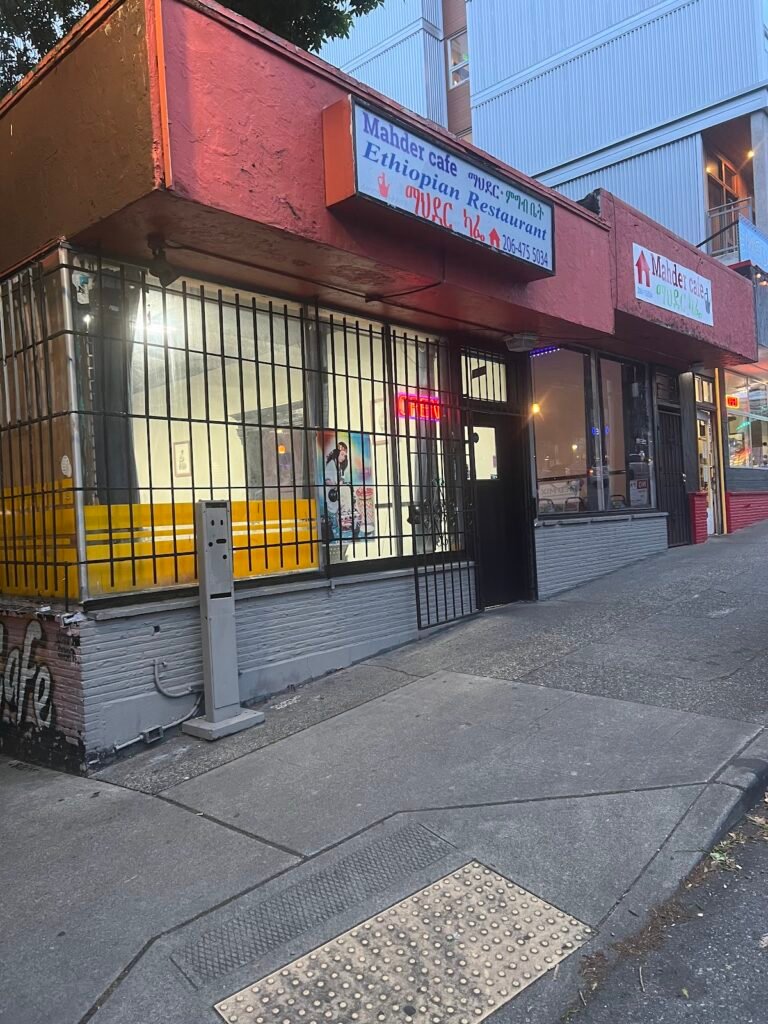 #9★ 4.6 (363)
Vision Ethiopian Cuisine
 #10★ 4.5 (953)
Enat Ethiopian Restaurant
 #11★ 4.5 (391)
Ras Dashen Ethiopian Restaurant & Bar
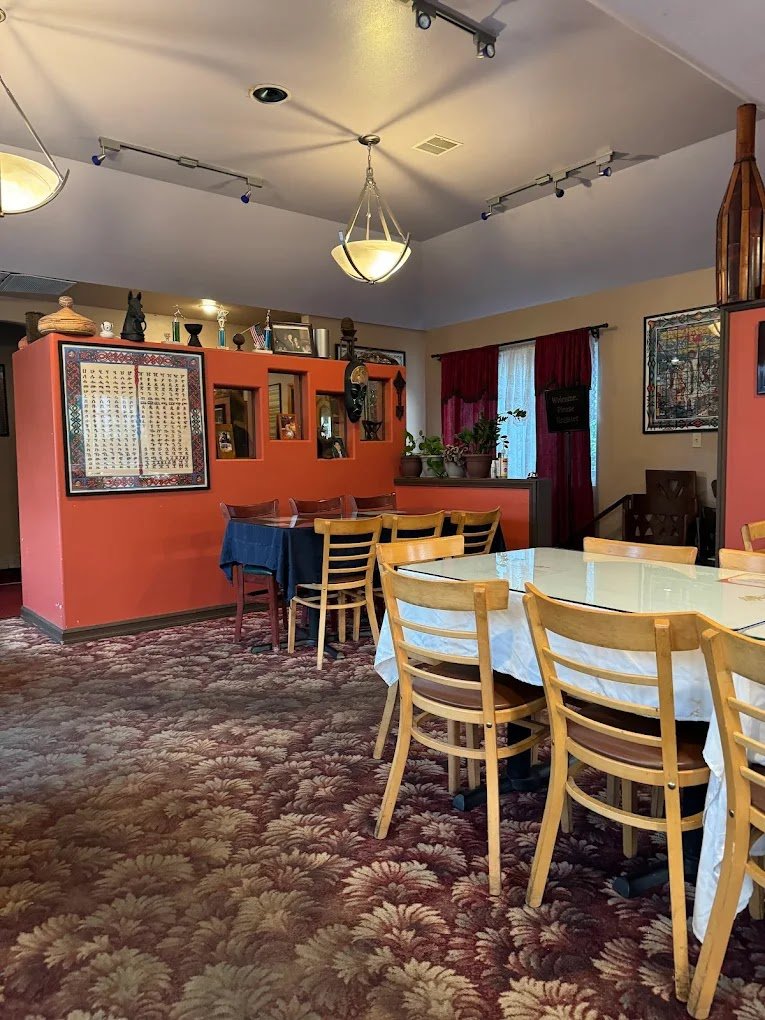 #12★ 4.5 (318)
Meskel Ethiopian Restaurant
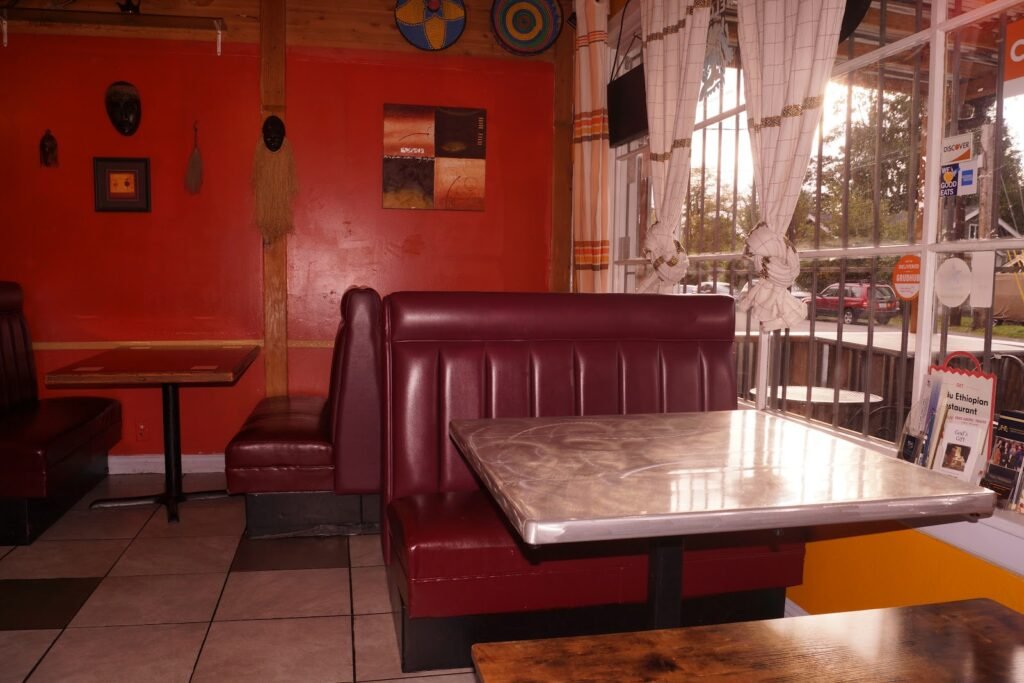 #13★ 4.5 (264)
Ahadu Ethiopian Restaurant
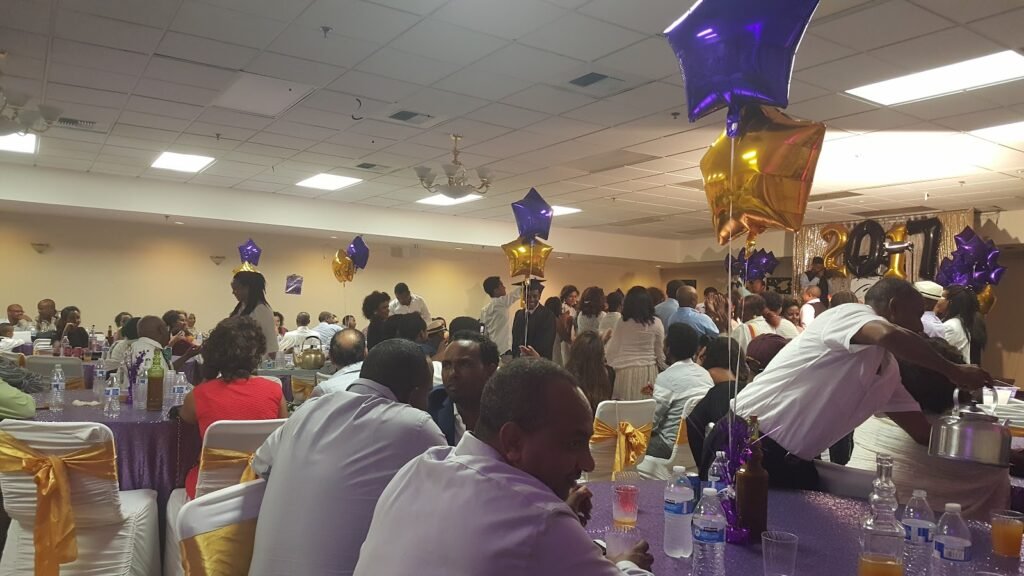 #14★ 4.5 (129)
Ethiopian Community in Seattle
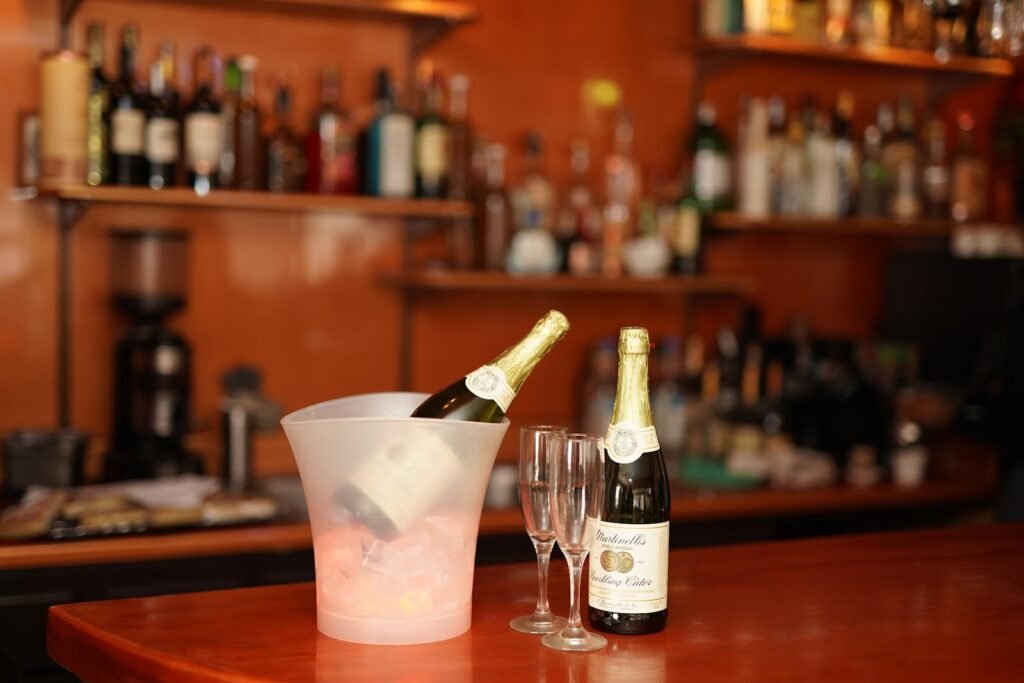 #15★ 4.5 (259)
Sunset Cafe
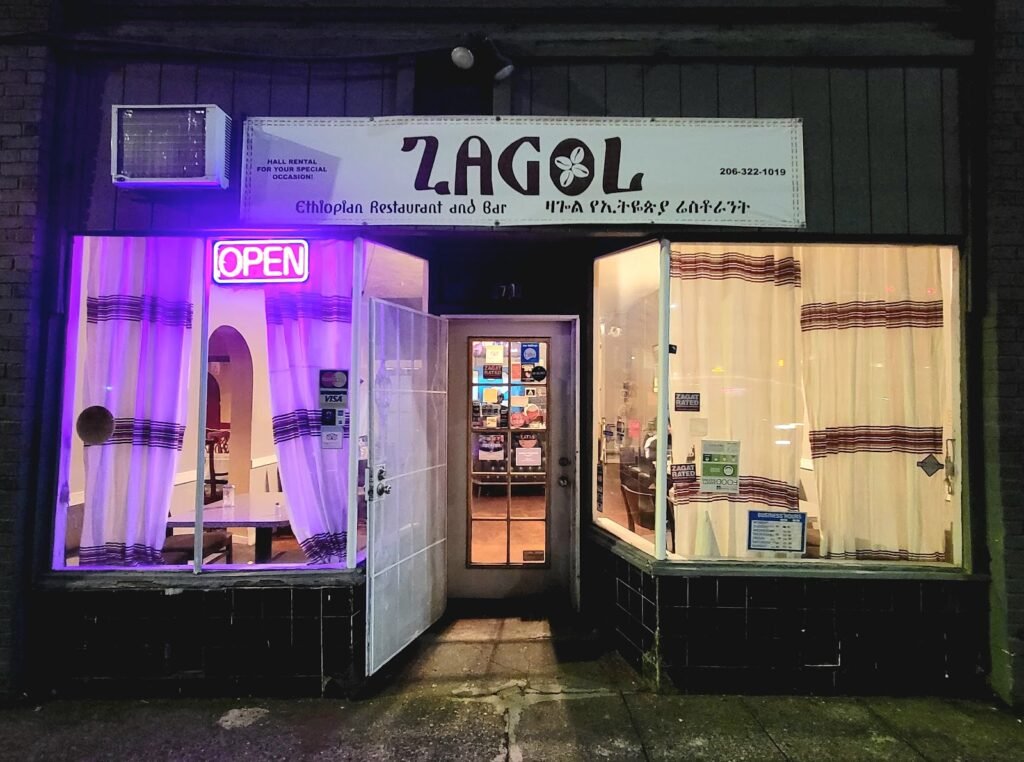 #16★ 4.4 (559)
Zagol Ethiopian Restaurant
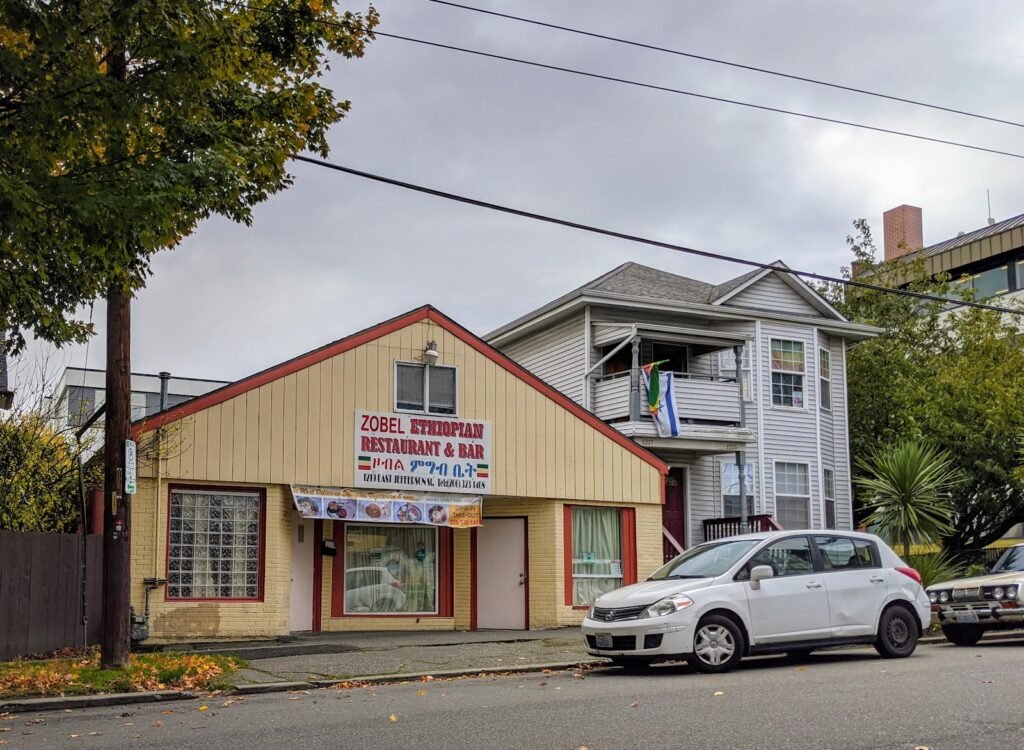 #17★ 4.4 (272)
Zobel Ethiopian Cuisine
 #18★ 4.4 (475)
Wonder Ethiopian Restaurant Sport Bar
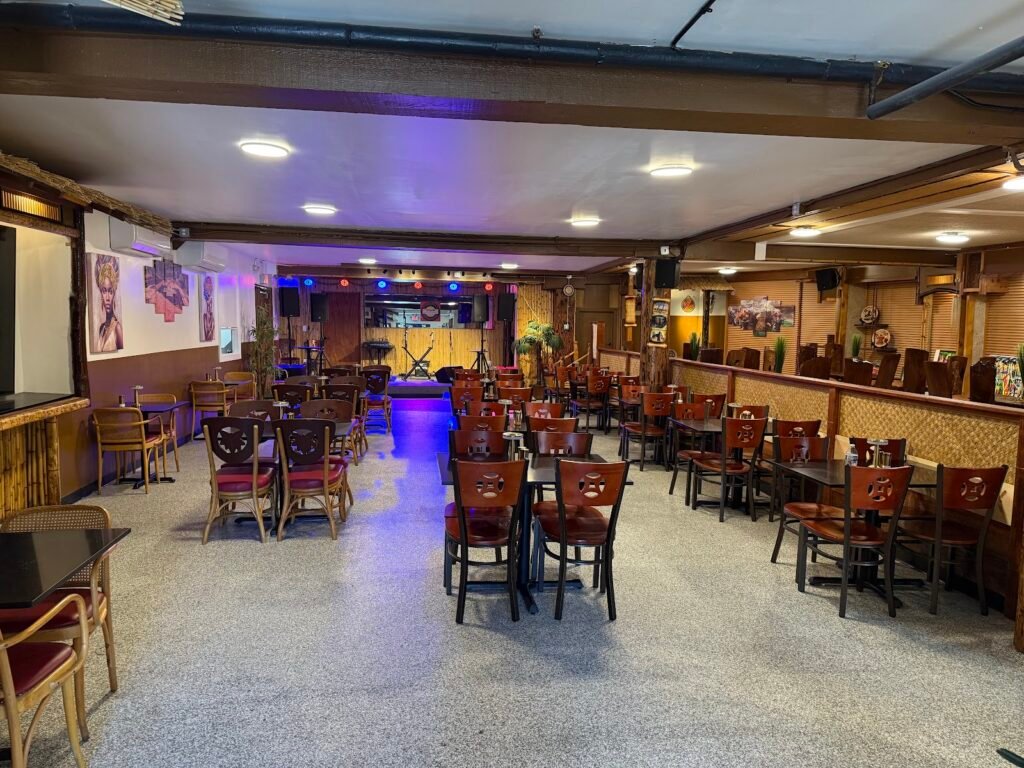 #19★ 4.3 (173)
Conspagna Ethiopian Restaurant
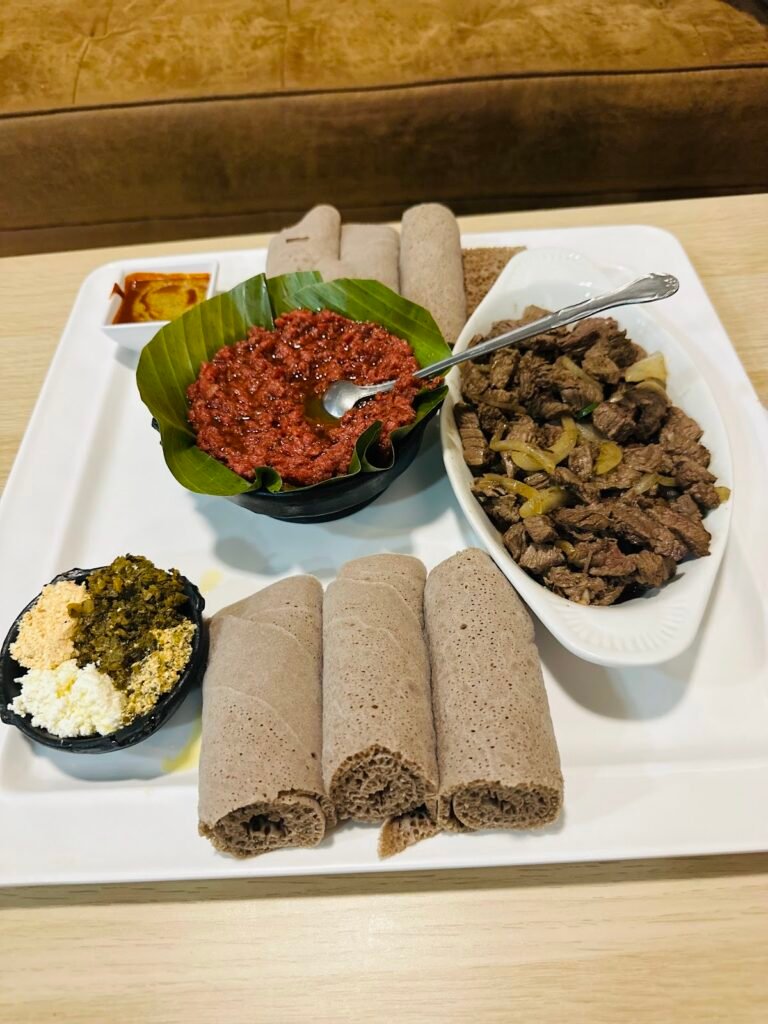 #20★ 4.3 (18)
ADOT ETHIOPIAN & RESTAURANT | አዶት ክትፎና እና ስጋ ቤት
When should you try the coffee ceremony?
The coffee ceremony is often enjoyed after a meal, especially when dining with friends or family. It is a good choice if you want a slower, more cultural restaurant experience instead of only a quick meal.
FAQ about Ethiopian coffee ceremony in Seattle
Do all Ethiopian restaurants offer coffee ceremony?
Not always. It is best to contact the restaurant before visiting.
Is Ethiopian coffee strong?
It can be rich and aromatic, depending on the roast and preparation style.
Is the coffee ceremony good for groups?
Yes. It is a social experience and works very well after shared dining.